
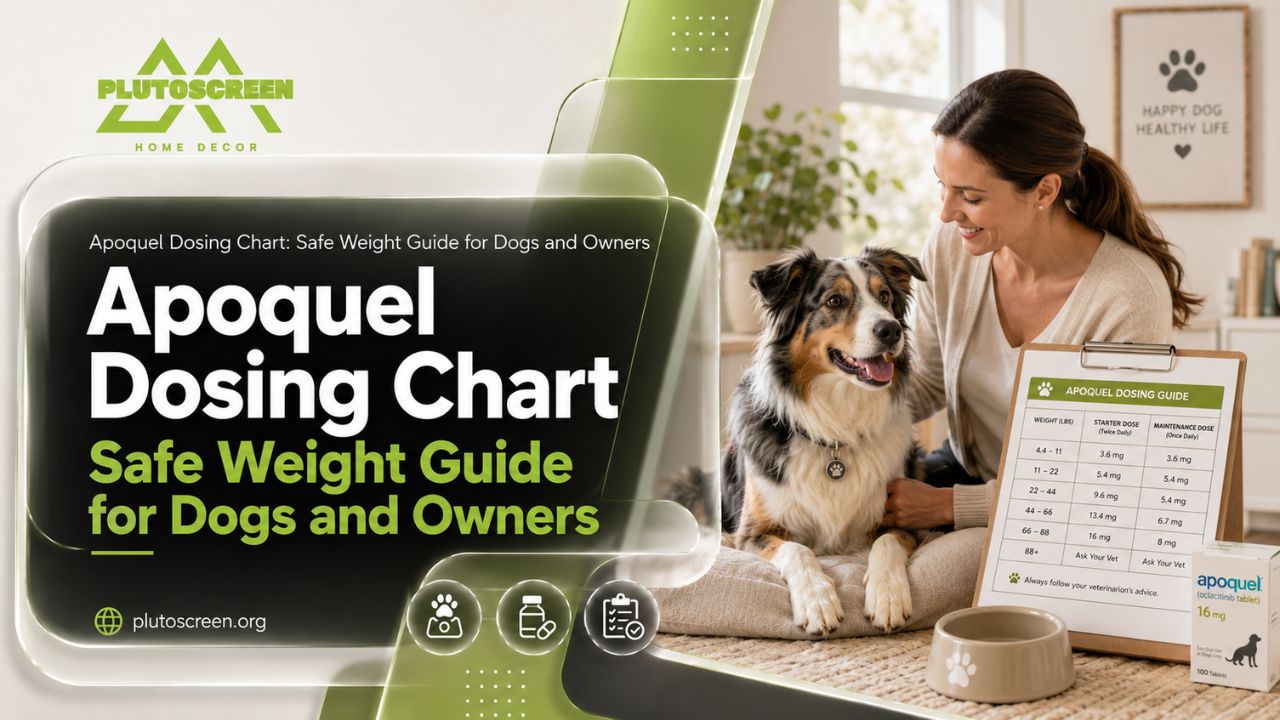
When a dog is scratching through the night, chewing its paws, or reopening sore skin, owners understandably want relief quickly. An apoquel dosing chart can help you understand the weight-based instructions printed on the U.S. product label, but it cannot diagnose the cause of itching or replace the dose written by your veterinarian.
Apoquel is a prescription veterinary medicine containing oclacitinib. It is approved for controlling itching associated with allergic dermatitis and for controlling atopic dermatitis in dogs at least 12 months old. Because it changes immune signaling, the decision to use it should account for your dog’s age, current infections, medical history, other medicines, and the veterinarian’s examination.
This guide explains how to read the labeled chart, what the tablet strengths mean, why the schedule may change after the first 14 days, and which warning signs deserve a call to the clinic. The table below is educational. Give only the strength, tablet amount, and schedule on your dog’s current prescription label.
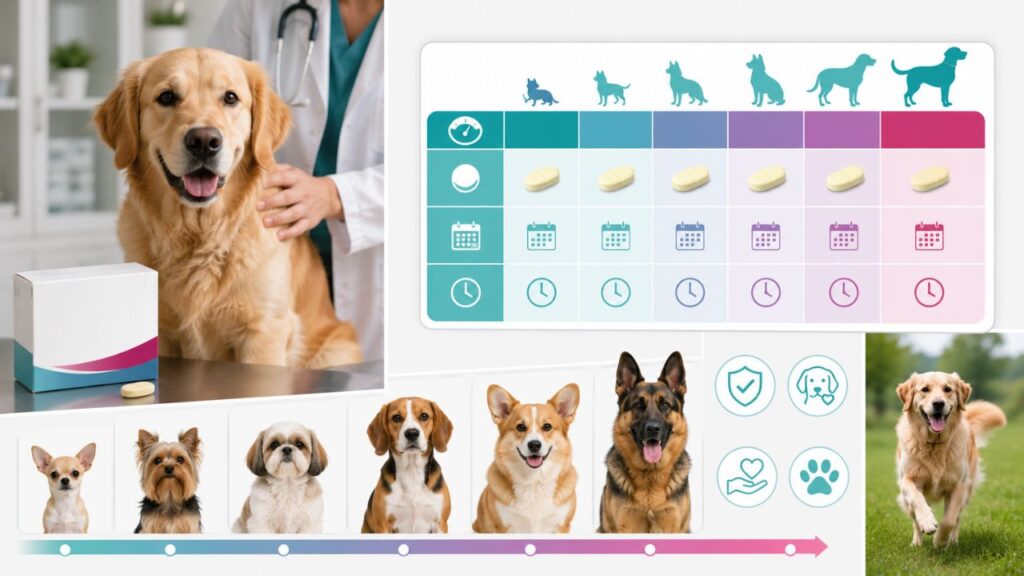
What an Apoquel Dosing Chart Can—and Cannot—Tell You
The FDA-approved label bases each dose on body weight. The labeled range is 0.18 to 0.27 mg of oclacitinib per pound, equivalent to 0.4 to 0.6 mg per kilogram, given by mouth. The product comes in 3.6 mg, 5.4 mg, and 16 mg strengths, allowing veterinarians to match different weight bands with whole or half tablets.
The apoquel dosing chart tells you the labeled number of tablets per dose for a dog within a listed weight range. It does not tell you whether your dog’s itching is caused by fleas, food sensitivity, mites, bacterial infection, yeast, contact irritation, or atopic disease. Several of those problems can occur at the same time and may need separate treatment.
Why Current Weight Matters
A dog’s dose band can change after weight loss, weight gain, growth, illness, or a long gap between examinations. Weighing by appearance or subtracting your own weight while holding a moving dog can be imprecise, especially near the boundary between two bands. A veterinary scale is the safest reference when a small difference might change the tablet strength.
Don’t round the dose upward or combine leftover tablets because a dog “looks close” to the next weight range. The veterinarian may also have a reason to use a particular formulation or schedule based on clinical findings that a generic table cannot show.
The Chart Shows Amount per Dose, Not a DIY Treatment Plan
Each entry in the chart represents the tablet amount given at one administration. The usual labeled schedule begins twice daily for no more than 14 days and then changes to once daily for maintenance. Your prescription may begin at a different point if the veterinarian is continuing established treatment or managing a specific clinical situation.
The distinction between “per dose” and “per day” is important. For example, one tablet per dose given twice daily means two tablets across that day. Never assume that a chart entry is the entire daily total without checking the pharmacy label.
FDA-Labeled Apoquel Dosing Chart by Weight
The following table reproduces the weight bands and tablet combinations in the U.S. prescribing information. It is not a calculator, and it should not be used to start, restart, or change treatment without a licensed veterinarian.
| Dog’s weight | 3.6 mg tablet | 5.4 mg tablet | 16 mg tablet |
|---|---|---|---|
| 6.6–9.9 lb (3.0–4.4 kg) | ½ tablet | — | — |
| 10.0–14.9 lb (4.5–5.9 kg) | — | ½ tablet | — |
| 15.0–19.9 lb (6.0–8.9 kg) | 1 tablet | — | — |
| 20.0–29.9 lb (9.0–13.4 kg) | — | 1 tablet | — |
| 30.0–44.9 lb (13.5–19.9 kg) | — | — | ½ tablet |
| 45.0–59.9 lb (20.0–26.9 kg) | — | 2 tablets | — |
| 60.0–89.9 lb (27.0–39.9 kg) | — | — | 1 tablet |
| 90.0–129.9 lb (40.0–54.9 kg) | — | — | 1½ tablets |
| 130.0–175.9 lb (55.0–80.0 kg) | — | — | 2 tablets |
A dash means that tablet strength is not the labeled selection for that band. The tablet and chewable forms are available in the same three strengths, and the manufacturer states that both formulations are scored so they can be divided in half when the prescribed dose calls for it.
Examples of How to Read the Table
Suppose a clinic records a dog at 35 pounds. The labeled row points to one-half of a 16 mg tablet per administration. A 52-pound dog falls in the 45.0- to 59.9-pound band, where the chart shows two 5.4 mg tablets per administration.
These are reading examples, not individualized instructions. If the bottle label disagrees with what you think the chart says, pause and call the prescribing clinic or dispensing pharmacy before giving the medicine. The prescription label is tied to the veterinarian’s order and the patient record.
What About Dogs Outside the Listed Weight Range?
The U.S. table begins at 6.6 pounds and ends at 175.9 pounds. A dog below or above those limits needs individualized veterinary direction rather than extrapolation. Cutting tablets into unapproved fractions or estimating a dose from another dog can produce an inaccurate amount.
The same caution applies when a dog’s current weight sits exactly at a boundary. The official bands already specify where each range begins and ends, so use the clinic’s documented weight and prescription rather than choosing whichever row seems more convenient.
Why the Apoquel Schedule Changes After 14 Days
Under the labeled regimen, the medication is administered twice daily for up to 14 days, followed by once-daily administration for maintenance. This initial and maintenance pattern is part of the approved dosing instructions, not an invitation to continue twice-daily use indefinitely.
An apoquel dosing chart is easy to misread when it shows only tablet quantities. The same per-dose amount may appear on the bottle during both phases, while the frequency changes. That is why owners should read both the tablet amount and the timing instructions every time a refill is collected.
Twice Daily Does Not Mean “Whenever the Dog Itches”
The initial phase is scheduled dosing, generally spaced according to the veterinarian’s instructions. It should not be treated like an as-needed pain reliever. Giving extra tablets during a flare can exceed the prescribed schedule and may delay diagnosis of an ear infection, skin infection, parasite problem, or another cause of worsening itch.
If symptoms break through before the next scheduled dose, document when the scratching occurs, photograph new skin changes, and call the clinic. That information can help the veterinarian decide whether the allergy plan, infection control, flea prevention, diet trial, or another part of treatment needs attention.
Once-Daily Maintenance Still Requires Follow-Up
Maintenance therapy controls symptoms; it does not necessarily remove the underlying allergy. Dogs with chronic atopic dermatitis may need periodic skin, ear, and general health evaluations. The frequency of rechecks depends on the dog’s history, response, concurrent medicines, and any new problems.
Don’t keep using an old refill indefinitely without the monitoring your clinic recommends. A dog that was an appropriate candidate last year may develop an infection, mass, or other condition that changes the benefit-risk discussion.
What Apoquel Treats and How It Works
Apoquel is labeled to control pruritus, meaning itching, associated with allergic dermatitis and to control atopic dermatitis in dogs at least 12 months of age. Oclacitinib is described on the label as a Janus kinase, or JAK, inhibitor. It affects signaling pathways involved in itch and inflammation.
The drug can reduce the urge to scratch, but it doesn’t identify the allergen. A complete plan may still include year-round flea control, treatment of bacterial or yeast infections, ear care, environmental management, dietary investigation, bathing, or referral to a veterinary dermatologist.
Allergic Dermatitis Is a Broad Category
Allergic dermatitis can include reactions related to environmental allergens, fleas, food, contact exposures, or other causes. Atopic dermatitis is a chronic, often relapsing allergic skin disease associated with environmental and sometimes food-related triggers. Dogs may show paw licking, face rubbing, ear problems, belly redness, recurrent infections, or generalized scratching.
Because these signs overlap with mites and infections, treating itch alone can hide part of the picture. A good examination looks for patterns, skin lesions, ear changes, parasites, and secondary infection before deciding which medicine fits.
Fast Relief Does Not Eliminate the Need for Diagnosis
The manufacturer reports that Apoquel begins relieving allergic itch within hours and significantly controls itch within 24 hours, based on its supporting studies. Rapid improvement can protect damaged skin and improve sleep, but it can also make owners think the underlying problem has disappeared.
Keep any diagnostic appointments even if the dog looks much better. If food allergy is suspected, for example, a strict veterinary diet trial still requires careful feeding and enough time to produce meaningful information.
Which Dogs Should Not Receive Apoquel?
The label states that Apoquel is not for dogs younger than 12 months or dogs with serious infections. It is also not for breeding dogs or pregnant or lactating females. The drug modulates the immune system and can increase susceptibility to infection, including demodicosis, while pre-existing cancers may worsen.
Before prescribing, tell the veterinarian about previous serious infections, recurring mite problems, skin masses, diagnosed cancer, unexplained weight loss, or swollen lymph nodes. The FDA-required warning advises considering benefits and risks in dogs with a history of recurrent serious infection, recurrent demodicosis, or neoplasia.
Other Medicines Matter
The label says use with glucocorticoids, cyclosporine, or other systemic immunosuppressive agents has not been evaluated. Zoetis similarly notes that the drug has not been tested with some medicines commonly used for skin disease, including corticosteroids and cyclosporine.
Provide a full list of prescription drugs, injections, over-the-counter products, supplements, medicated shampoos, and topical treatments. Don’t stop an existing medicine abruptly unless the prescribing veterinarian tells you to do so.
Puppies Need a Different Plan
Young dogs scratch for many reasons, including parasites, infection, food reactions, and environmental allergies. Because Apoquel isn’t labeled for dogs under 12 months, a puppy requires a veterinary diagnosis and age-appropriate treatment plan rather than a smaller fraction copied from the apoquel dosing chart.
If a seller or online post suggests giving a puppy leftover tablets from an adult dog, don’t follow that advice. Contact your veterinarian, particularly when a puppy has facial swelling, breathing difficulty, widespread hives, open sores, fever, lethargy, or rapid worsening.
Side Effects and Safety Monitoring
In the controlled clinical studies described on the label, commonly reported adverse reactions included vomiting and diarrhea. Lethargy, reduced appetite, increased thirst, skin or subcutaneous lumps, and other events were also reported. Some mild gastrointestinal signs resolved while dosing continued, but owners shouldn’t assume every episode is harmless.
FDA safety-related labeling updates also list post-approval reports such as vomiting, lethargy, anorexia, diarrhea, elevated liver enzymes, dermatitis, seizures, increased thirst, demodicosis, masses, and cancers. Post-approval reports cannot always establish how often an event occurs or prove the medicine caused it.
When to Call the Veterinarian Promptly
Contact the clinic if your dog develops repeated vomiting or diarrhea, marked lethargy, loss of appetite, new or rapidly changing lumps, unusual skin infections, worsening ear disease, seizures, or signs that concern you. Seek urgent veterinary help for collapse, breathing difficulty, severe weakness, repeated seizures, or suspected overdose.
Don’t wait for the next routine appointment if a dog seems systemically ill. Bring the medication bottle, note the last dose, and tell the clinic about every other product the dog may have received.
Monitoring Is Individual, Not One-Size-Fits-All
The official label advises monitoring dogs for infections, including demodicosis, and for neoplasia. Your veterinarian may recommend physical examinations, skin tests, or laboratory work based on the dog’s age, duration of treatment, medical history, and concurrent therapy.
An online apoquel dosing chart cannot determine the right monitoring interval. Ask the prescribing veterinarian what changes to watch for at home and when the next review is due.
Giving Tablets or Chewables Correctly
Apoquel may be administered with or without food according to the label. If your dog develops stomach upset, call the clinic before changing the routine; the veterinarian may suggest a practical administration approach or investigate another cause.
Both the coated tablet and chewable formulation contain oclacitinib in 3.6 mg, 5.4 mg, and 16 mg strengths. Don’t substitute one strength for another based only on tablet size or color, and don’t assume that one large tablet always equals several smaller tablets unless the prescribing professional confirms the exact total.
Handling Half Tablets
The dosing table uses half-tablet amounts in several weight bands. Split only scored tablets as directed, use a clean pill cutter when appropriate, and confirm storage instructions for unused halves with the pharmacy or manufacturer information.
Keep medication in its original labeled container, secured away from children and animals. The FDA label specifically warns owners to keep Apoquel out of reach of dogs, cats, and other animals to prevent accidental ingestion or overdose.
Helping a Reluctant Dog Take Medicine
The chewable formulation was developed as an easier-to-dose option, but acceptance varies. Some dogs take it willingly; others may need the method approved by their veterinarian, such as placing it in a small amount of food that the dog will finish completely.
Watch the dog swallow. If a tablet is dropped, hidden, or spat out and you aren’t sure how much was consumed, don’t automatically give another full dose. Call the clinic or dispensing pharmacy for guidance.
Missed Doses, Double Doses, and Accidental Ingestion
If you miss a scheduled dose, contact the prescribing clinic for advice based on how late it is and when the next dose is due. Manufacturer pet-medication guidance recommends checking with the veterinarian after a missed dose rather than improvising.
Never double the next amount unless a veterinarian specifically instructs you to do so. A dose tracker, phone alarm, or written checklist can prevent two household members from giving the same medicine.
When the Wrong Strength Was Given
Call the veterinarian or an emergency veterinary service as soon as you notice the error. Have the dog’s current weight, product strength, number of tablets, approximate time, and any symptoms ready.
The apoquel dosing chart may help you explain the intended row, but it is not an overdose-management tool. Don’t induce vomiting or give home remedies unless a veterinary professional directs you.
When Another Pet Gets Into the Bottle
Secure all remaining medication and contact a veterinarian immediately. Cats, puppies, and dogs with unknown ingestion amounts need professional risk assessment, even if they appear normal at first.
Bring or photograph the label so the professional can verify the drug, strength, and original tablet count. Prompt, accurate information makes triage easier.
Cost, Prescriptions, and Finding Local Care
Apoquel is a prescription animal drug under U.S. federal law. A veterinarian must determine that it is appropriate and issue the order. Prices vary with tablet strength, quantity, clinic or pharmacy dispensing fees, promotions, and regional operating costs.
Ask for the total cost of the treatment plan, not only the tablets. Allergy care may also involve an examination, skin or ear testing, parasite prevention, infection treatment, diet trials, bathing products, or follow-up visits.
Comparing Local and Online Pharmacies
Use a reputable pharmacy that requires a valid prescription and obtains medication through legitimate distribution channels. Compare the exact strength, quantity, formulation, shipping time, storage conditions, expiration date, and refill process.
An unusually low price deserves scrutiny. Counterfeit, improperly stored, or mislabeled medicine can undermine safety, and an overseas listing may not follow U.S. prescription or supply standards.
Questions to Ask Before You Leave the Clinic
A short written plan prevents many dosing mistakes. Ask:
- What is my dog’s recorded weight and exact dose?
- Is this the initial phase or maintenance phase?
- What time spacing do you recommend?
- Can it be given with my dog’s current medicines and supplements?
- What side effects require a same-day call?
- When is the next recheck?
- What should I do if a dose is missed or vomited?
- Which underlying allergy triggers are we still investigating?
Take a photo of the bottle label after pickup. If instructions change, ask the clinic to update the written directions rather than relying on memory.
Frequently Asked Questions
Where can I get Apoquel prescribed near me?
A local general veterinary clinic can evaluate most itchy dogs and prescribe treatment when appropriate. For recurring, severe, or difficult skin disease, ask whether a board-certified veterinary dermatologist is available in your region or accepts referrals from your primary veterinarian.
How much does Apoquel cost near me?
The price depends on strength, tablet count, formulation, dispensing source, and local fees. Request quotes for the same prescribed quantity from your veterinary clinic and licensed pharmacies, then include shipping, follow-up care, and any manufacturer program conditions when comparing totals.
Can a pharmacy near me use an online apoquel dosing chart?
A pharmacy can dispense only according to a valid veterinary prescription. The apoquel dosing chart is useful for understanding labeled weight bands, but a pharmacist should contact the veterinarian rather than independently changing the prescribed strength or frequency.
How soon can my dog start treatment after a vet visit?
Some clinics can dispense the medicine the same day when the examination supports its use and stock is available. Delays may occur if the veterinarian first needs to investigate infection, parasites, a mass, other medicines, or another health concern.
How do I find a trustworthy online pet pharmacy?
Choose a pharmacy that requires a veterinarian’s authorization, provides a U.S. contact address and pharmacist access, protects temperature-sensitive shipping when relevant, and clearly identifies the manufacturer and expiration information. Your veterinary clinic or state board of pharmacy can help you assess an unfamiliar seller.
Can a mobile veterinarian prescribe Apoquel at home?
A licensed mobile veterinarian may prescribe it after establishing the required veterinarian-client-patient relationship and examining the dog, subject to state rules. Ask whether the service carries the needed strength or sends prescriptions to a local or online pharmacy.
Does an emergency vet refill Apoquel after hours?
Emergency hospitals focus on urgent care and may not provide routine refills without examining the dog or accessing adequate records. Call before traveling, and contact your regular clinic during business hours for planned refills so treatment doesn’t run out unexpectedly.
Can I transfer the prescription to another pharmacy?
Many prescriptions can be sent or transferred according to veterinary, pharmacy, and state requirements, but refills and authorization remain under the prescriber’s control. Ask the new pharmacy to verify the exact formulation, strength, directions, and remaining refills before you need the next dose.
What should I bring to an allergy appointment?
Bring the medication bottle, a complete list of treatments and supplements, dates of flea prevention, diet details, photos of flare-ups, and notes about seasonal patterns. This information helps the veterinarian separate symptom control from the unresolved cause of the itching.
How often should my dog be rechecked?
There is no single interval that fits every patient. The veterinarian sets follow-up timing based on response, duration of therapy, infections, other conditions, and monitoring needs, so confirm the date before leaving the clinic.
Final Thoughts
A reliable apoquel dosing chart is useful for understanding the FDA-labeled relationship between a dog’s weight and the three available tablet strengths. Its safest use is as a reference that helps you read and verify a current veterinary prescription—not as a substitute for examination, diagnosis, or follow-up.
Confirm your dog’s weight, read both the amount and frequency on the label, and call before correcting a missed dose or suspected error. When symptom relief is paired with investigation of the underlying allergy and careful monitoring, your dog has a better chance of staying comfortable without important health changes being overlooked.