
Introduction
Have you ever come across a color so unique that it made you pause and think, “What is that?” That’s the magic of unusual colors—they catch your eye, stir curiosity, and often leave a lasting impression.
In a world filled with predictable palettes—blues, whites, and grays—these rare shades break the norm. They bring personality, creativity, and sometimes even a sense of mystery into everyday spaces.
In reality, unusual colors are more than just visually appealing. They influence emotions, shape design trends, and even impact how we experience art, fashion, and interiors.

Table of Contents
What Are Unusual Colors?
Why Unusual Colors Matter in Design
Examples of Unusual Colors
The Psychology Behind Unusual Colors
How to Use Unusual Colors in Interior Design
Unusual Colors in Fashion and Art
Common Mistakes When Using Unusual Colors
Personal Background & Financial Insights
FAQs
Conclusion
What Are Unusual Colors?
Unusual colors are shades that are rarely used, hard to define, or fall outside traditional color palettes. They often include unique blends, muted tones, or unexpected combinations.
Definition
Unusual colors are non-standard hues that stand out due to their rarity, complexity, or unconventional appearance in design and nature.
Characteristics
- Rare or uncommon usage
- Complex undertones
- Often difficult to name
- Highly expressive
Think of colors like chartreuse, mauve taupe, or burnt umber—these aren’t everyday choices, yet they carry incredible depth.
Why Unusual Colors Matter in Design
Using unusual colors can completely transform how a space or design feels.
Emotional Impact
- Create intrigue and curiosity
- Evoke deeper emotional responses
- Break monotony
Visual Identity
Brands and designers often use rare shades to stand out in crowded markets.
Real-Life Example
Luxury brands frequently use unconventional colors to signal exclusivity and uniqueness.
Examples of Unusual Colors
Let’s explore some fascinating unusual colors that have captured attention across industries.
1. Chartreuse
A blend of yellow and green that feels both vibrant and slightly edgy.
2. Tyrian Purple
Historically associated with royalty and rarity.
3. Payne’s Gray
A deep bluish-gray often used in art for dramatic effects.
4. Gamboge
A rich yellow-orange pigment with historical significance.
5. Glaucous
A pale bluish-gray with a soft, calming feel.

The Psychology Behind Unusual Colors
Colors influence how we think and feel—and unusual colors often have even stronger effects.
Key Psychological Effects
- Mystery: Rare colors feel intriguing and unfamiliar
- Creativity: Stimulate imagination and innovation
- Luxury: Often associated with exclusivity
Emotional Associations Table
| Color Type | Emotion | Usage |
|---|---|---|
| Muted tones | Calmness | Interiors |
| Vibrant rare hues | Energy | Branding |
| Dark unusual shades | Sophistication | Fashion |
That said, context plays a huge role in how a color is perceived.
How to Use Unusual Colors in Interior Design
Incorporating unusual colors into your home can feel risky—but when done right, it’s incredibly rewarding.
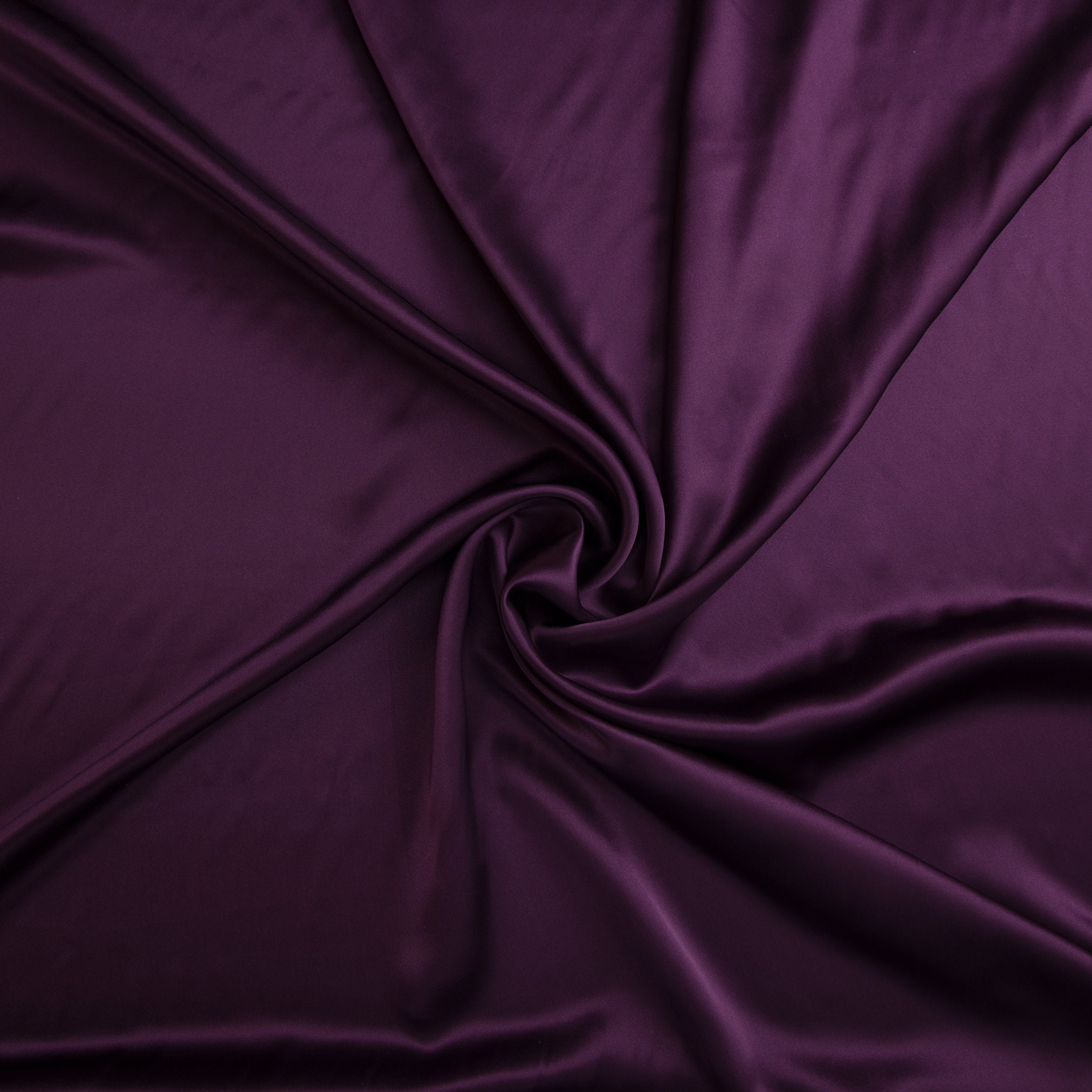
Start Small
Use accent pieces like cushions, rugs, or artwork.
Balance with Neutrals
Pair bold shades with whites, grays, or beige.
Create Focal Points
Highlight a wall or furniture piece with a unique color.
Layer Textures
Combine materials to enhance the color’s depth.
Real-Life Example
A living room with neutral walls but a deep teal or mustard sofa instantly feels more dynamic and modern.
Unusual Colors in Fashion and Art
Fashion and art have always embraced unusual colors as a form of expression.
In Fashion
- Runway designers experiment with bold, rare shades
- Seasonal trends often introduce new color palettes
In Art
- Artists use unconventional colors to evoke emotion
- Abstract art relies heavily on unique combinations
Common Mistakes When Using Unusual Colors
While unusual colors can elevate design, they can also backfire if misused.
Overusing Bold Shades
Too many strong colors can overwhelm the space.
Ignoring Lighting
Lighting can drastically change how a color appears.
Lack of Balance
Failing to pair with neutral tones can create chaos.
Following Trends Blindly
What’s trendy today may not suit your personal style.
Personal Background & Financial Insights
The creative industry has seen a surge in demand for unique aesthetics, especially involving unusual colors.
Career Journey
Many designers and artists start experimenting with unconventional palettes to differentiate their work.
Achievements
- Building strong personal brands
- Collaborating with global companies
- Influencing design trends
Financial Insights
Top designers and creatives can earn anywhere from $60,000 to over $200,000 annually, depending on their expertise and reach.

Interestingly, those who master the use of rare and unique colors often stand out and command higher value in the market.
FAQs
What are unusual colors?
They are rare or unconventional shades that stand out from standard color palettes.
Why are unusual colors popular?
They help create unique designs and attract attention.
Can unusual colors be used in small spaces?
Yes, especially as accents to avoid overwhelming the space.
Are unusual colors hard to match?
They can be, but pairing with neutrals helps balance them.
Which industries use unusual colors most?
Fashion, interior design, branding, and art.
Do unusual colors affect mood?
Yes, they can evoke strong emotional responses.
Are unusual colors expensive to use?
Not necessarily—it depends on materials and application.
How do I choose the right unusual color?
Consider your space, lighting, and personal preference.
Conclusion
At the end of the day, unusual colors are about more than just aesthetics—they’re about expression, creativity, and breaking away from the ordinary.
Whether you’re redesigning your home, updating your wardrobe, or exploring art, these unique shades offer endless possibilities.
So don’t be afraid to experiment. Because sometimes, the most unforgettable designs come from the most unexpected colors.