Introduction
Walk into any modern retail store, hospital lobby, airport terminal, or corporate office and you’ll notice something immediately: screens are everywhere. They guide, inform, advertise, and engage. Behind many of these dynamic displays is plutoscreen, a digital signage platform designed to simplify how businesses communicate visually.
In a world where attention spans are shrinking and competition is growing, the way you present information matters more than ever. Static posters are fading into the background. Businesses now need real-time control, visually compelling media, and centralized management across multiple screens and locations. That’s where plutoscreen steps in, offering a smarter way to manage digital displays without overwhelming complexity.
Whether you’re a small retailer looking to promote daily deals or a multinational organization managing hundreds of displays, understanding how this platform works can redefine your communication strategy.
After all, screens don’t just show content anymore—they shape experiences.
What Is plutoscreen?
At its core, plutoscreen is a cloud-based digital signage solution that allows businesses to manage, schedule, and distribute visual content across multiple screens from a centralized dashboard.
Instead of manually updating USB drives or physically accessing each display, users can control everything remotely. This includes:
- Uploading videos, images, and HTML content
- Scheduling campaigns by time and date
- Managing multiple locations
- Monitoring screen performance
- Customizing content per audience segment
Digital signage is no longer just about looping advertisements. It’s about real-time engagement, automation, and smart targeting.
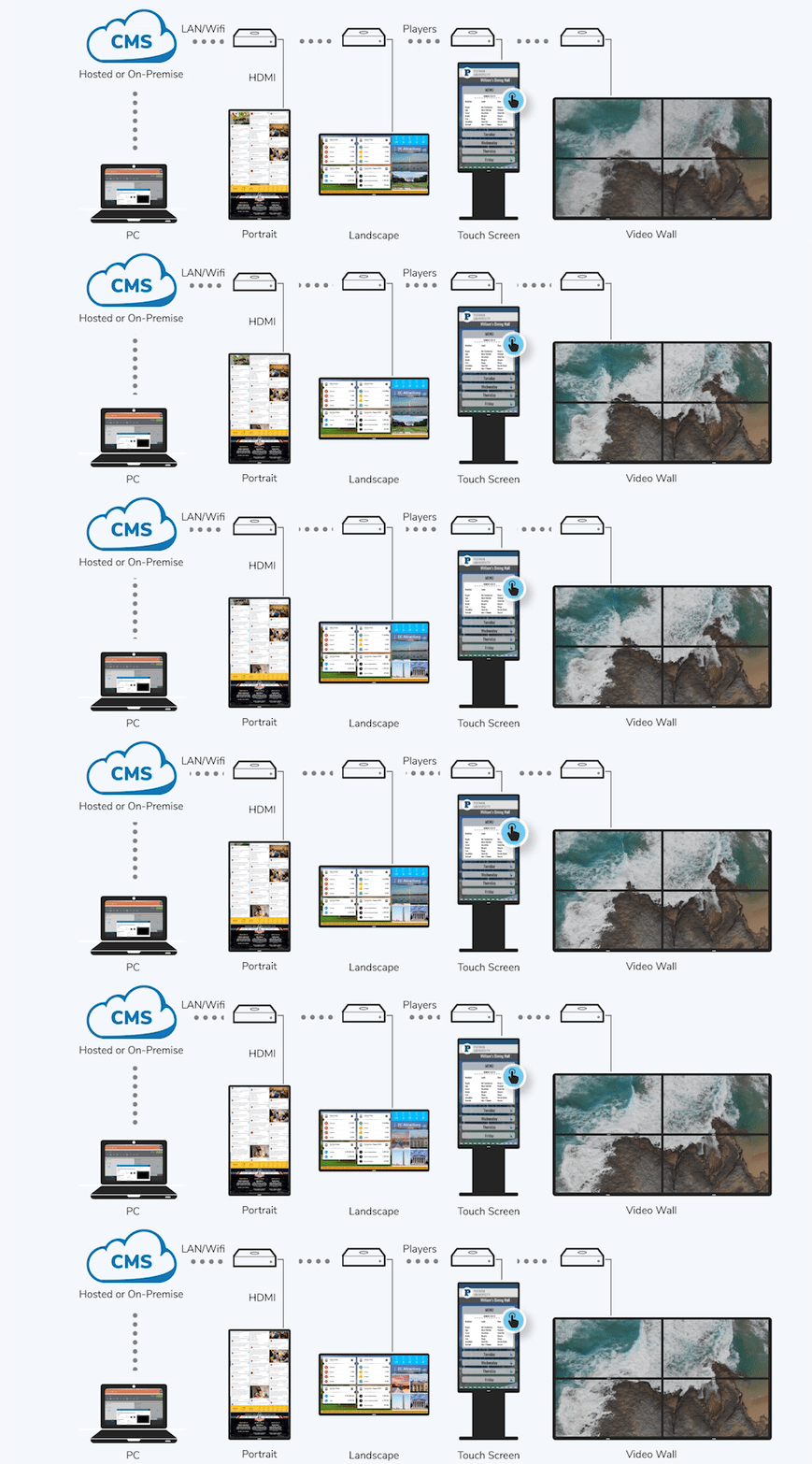
The strength of plutoscreen lies in its simplicity. Many digital signage systems overwhelm users with technical barriers. Here, the emphasis is on intuitive control, making it accessible even for teams without IT backgrounds.
Why Digital Signage Matters in Modern Business
Before diving deeper into the platform itself, it’s important to understand why digital signage has become essential.
The Shift from Static to Dynamic Communication
Traditional posters and billboards are static. They cannot change instantly. They cannot adapt to weather, time of day, or audience behavior.
Digital displays can.
For example:
- A café can promote hot coffee in the morning and cold drinks in the afternoon automatically.
- A hospital can update emergency announcements instantly.
- A retail chain can synchronize nationwide promotions in seconds.
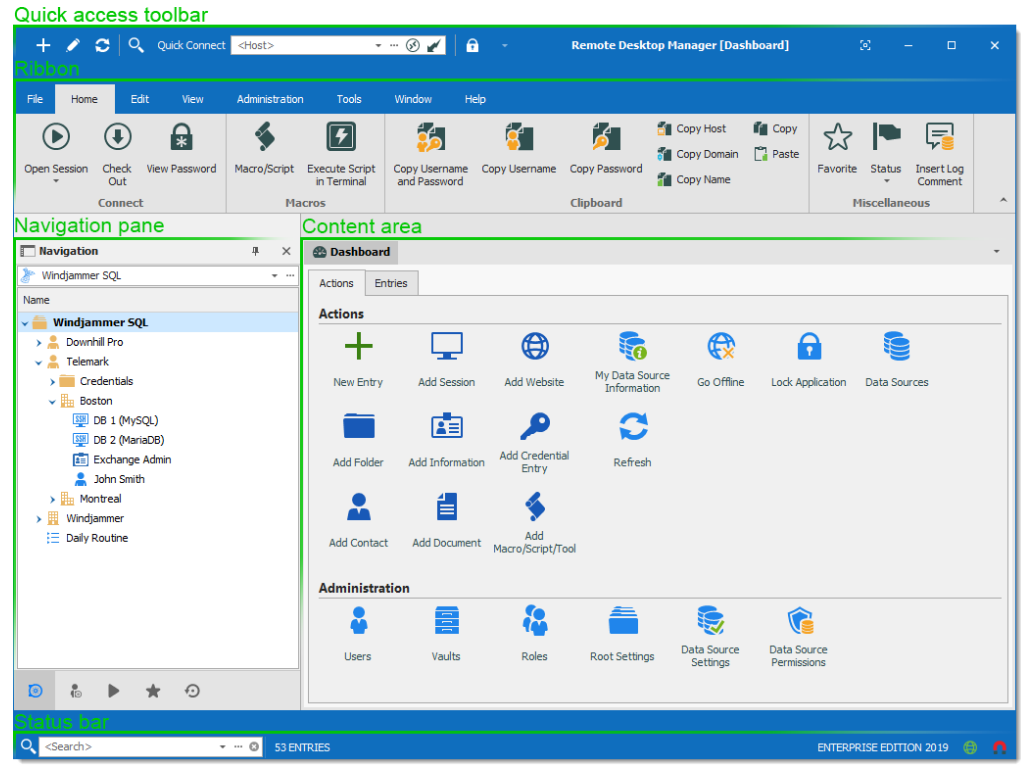
This flexibility creates efficiency and consistency across all touchpoints.
Increased Engagement and Revenue Potential
Studies consistently show that dynamic displays capture more attention than printed materials. Moving visuals, animations, and real-time updates keep audiences engaged longer.
Businesses using platforms like plutoscreen often report:
- Higher impulse purchases
- Improved brand recall
- Faster internal communication
- Enhanced customer experience
In competitive industries, that engagement translates directly into revenue.
Core Features of plutoscreen
Centralized Cloud Management
One of the defining strengths of plutoscreen is its centralized cloud control. You can manage dozens—or even hundreds—of screens from a single dashboard.
This includes:
- Location grouping
- Role-based permissions
- Real-time screen status monitoring
- Content performance tracking
This eliminates the need for on-site technical adjustments.
Advanced Content Scheduling
Scheduling is where digital signage becomes powerful.
Users can:
- Set start and end dates for campaigns
- Schedule content by hour or day
- Create recurring playlists
- Override schedules for urgent announcements
This level of automation saves time while ensuring consistency.
Instead of relying on manual updates, businesses can plan weeks or months in advance.
Multi-Location Support
For franchises or chains, managing branding across locations can be challenging. plutoscreen solves this by allowing hierarchical control.
For example:
- Headquarters can push global branding.
- Regional managers can adjust local offers.
- Individual stores can add community-specific promotions.
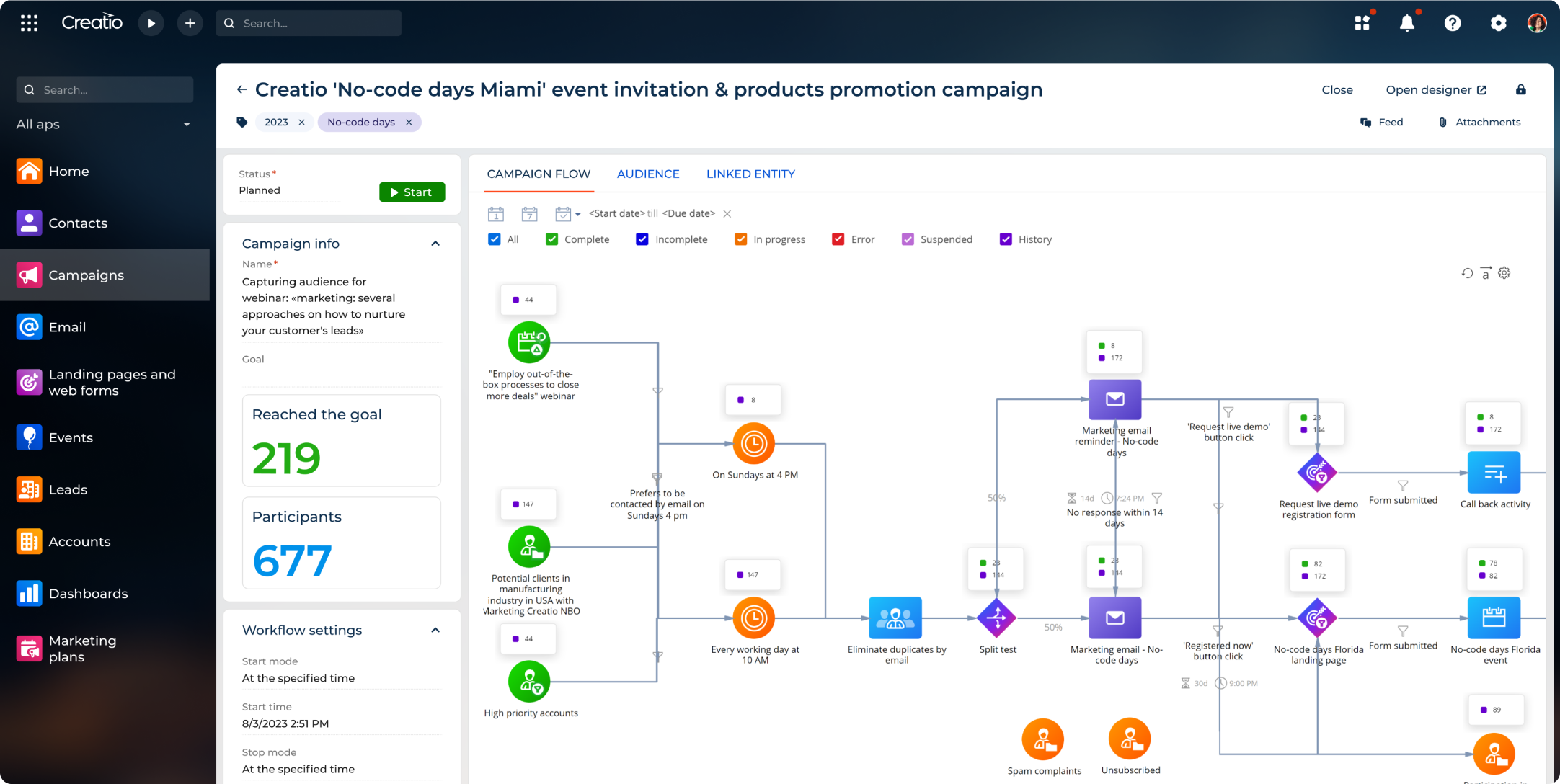
This balance between control and flexibility is crucial for growing businesses.
Media Compatibility
Modern digital signage must support various formats. plutoscreen typically handles:
- Images (JPEG, PNG)
- Videos (MP4)
- Web-based content
- RSS feeds
- HTML widgets
This ensures businesses are not restricted to one type of content.
How plutoscreen Works: Step-by-Step Overview
Understanding how the system operates helps clarify its practical value.
Step 1: Upload Content
Users upload media through the dashboard. Files are stored securely in the cloud.
Step 2: Create Playlists
Content can be organized into playlists, allowing different visuals to rotate at specific intervals.
Step 3: Assign Screens or Groups
Screens can be grouped by location, department, or campaign type.
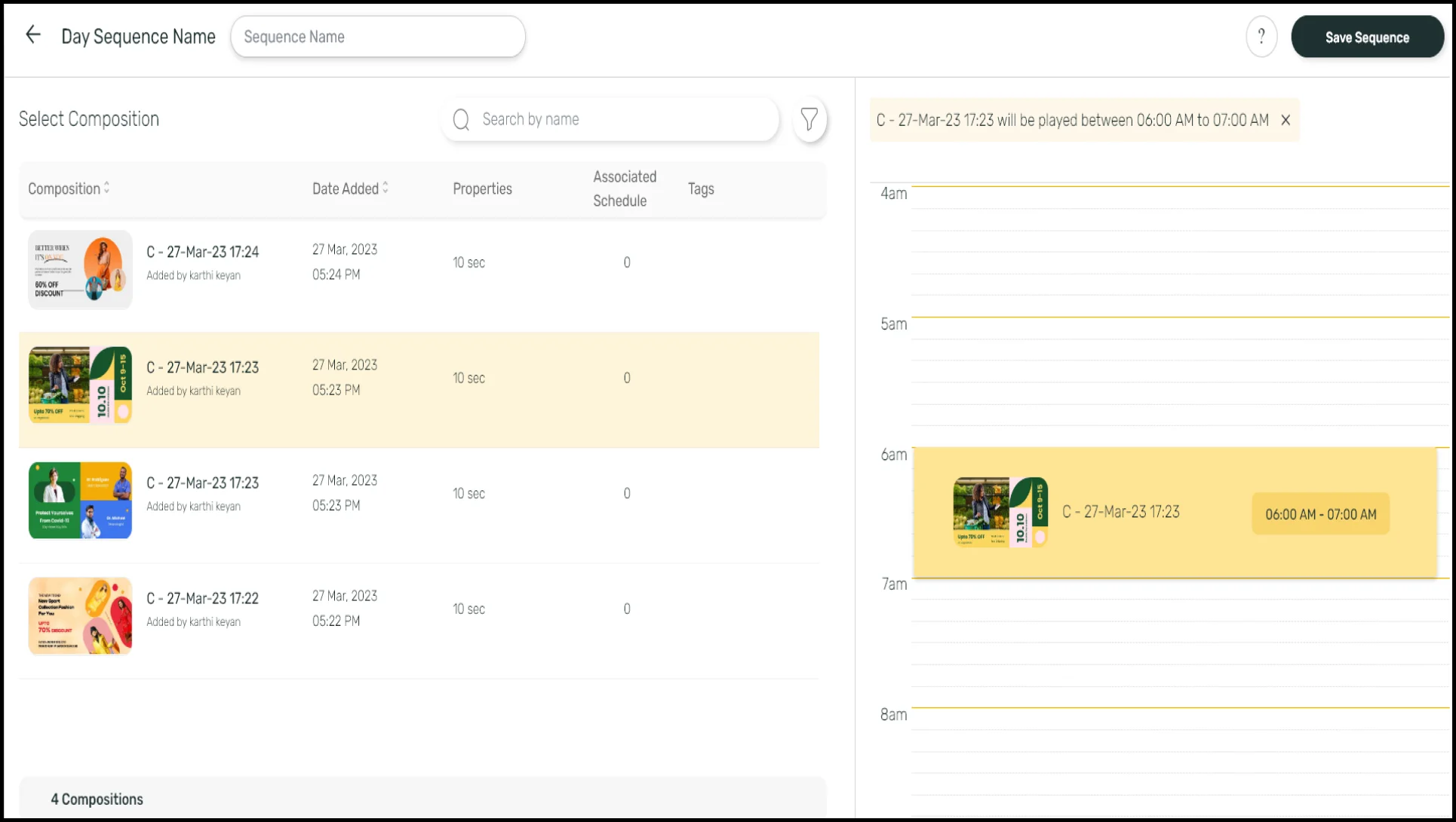
Step 4: Schedule Display Times
Content can run:
- Continuously
- On specific dates
- During certain hours
- Based on priority overrides
Step 5: Monitor Performance
Admins can track which screens are online, detect connectivity issues, and confirm content playback.
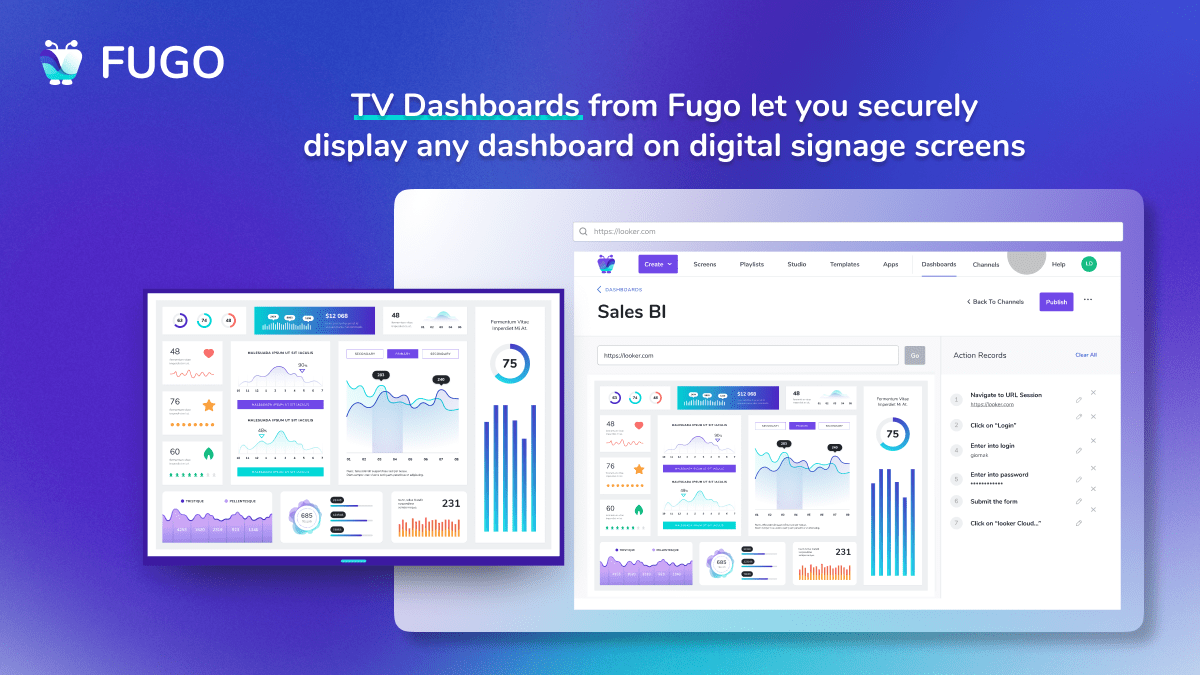
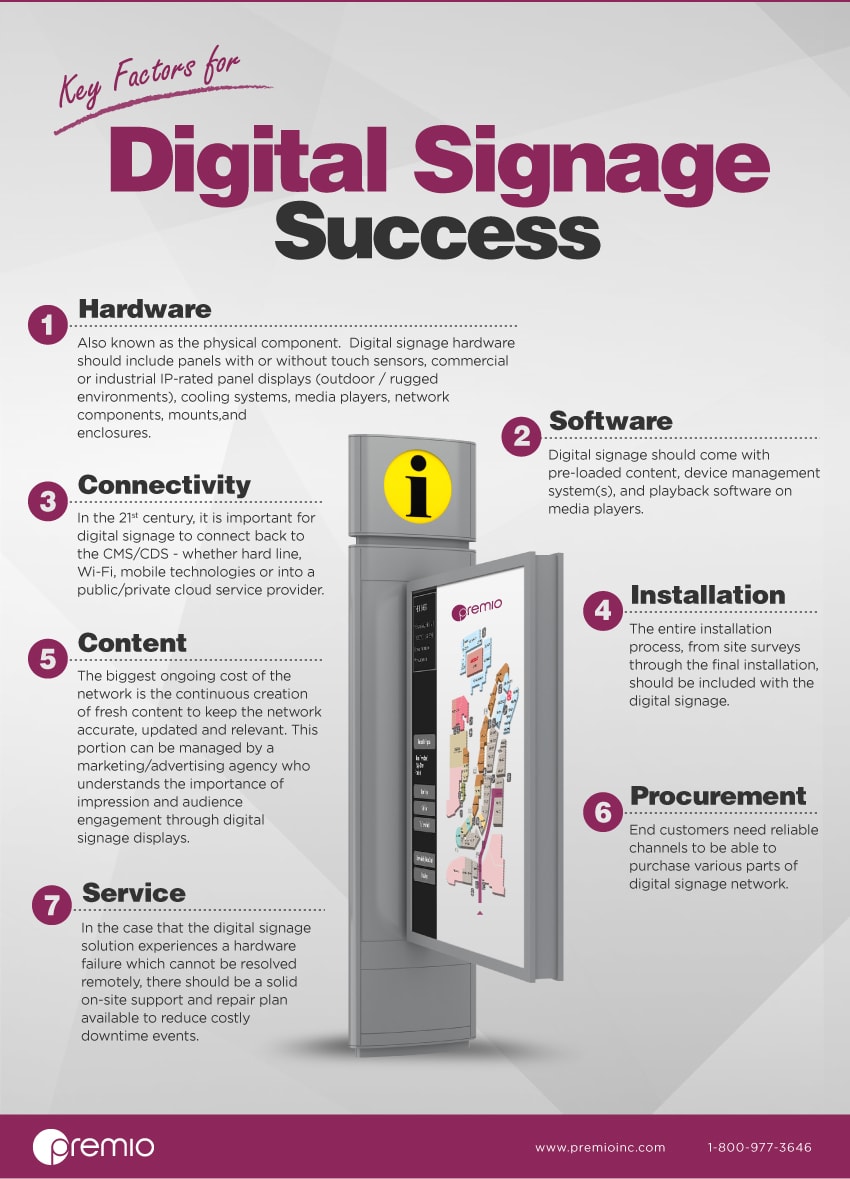
The infographic above illustrates the typical workflow of managing screens remotely, from upload to live display.
Industries That Benefit Most
Retail Stores
Retailers use plutoscreen to promote:
- Flash sales
- Seasonal collections
- Loyalty programs
- In-store navigation
Digital signage influences buying behavior at the point of sale.
Healthcare Facilities
Hospitals and clinics rely on clear communication. Screens can display:
- Appointment queues
- Health awareness campaigns
- Emergency updates
- Department directions
Real-time updates improve patient experience.
Corporate Offices
Internal communication often gets overlooked. Screens can:
- Display KPIs
- Share announcements
- Highlight achievements
- Promote company events
This boosts employee engagement and alignment.
Hospitality and Restaurants
Restaurants and hotels benefit from:
- Dynamic menu boards
- Event promotions
- Guest information
- Digital concierge services
Content updates can happen instantly, reducing printing costs.
Plutoscreen vs Traditional Signage Solutions

When comparing traditional signage with plutoscreen, the differences become clear.
Traditional Signage:
- High recurring printing costs
- Manual updates
- No automation
- Limited engagement
Digital Signage Platform:
- Remote control
- Instant updates
- Scheduling automation
- Analytics insights
The long-term cost efficiency and flexibility make digital solutions increasingly attractive.
Security and Reliability
Businesses need confidence that their content remains secure.
plutoscreen generally emphasizes:
- Encrypted cloud storage
- User permission controls
- Device authentication
- Stable uptime infrastructure
Reliability matters especially in sectors like healthcare, finance, and transportation.
Customization and Branding Capabilities
A strong signage platform should align with brand identity.
Users can:
- Customize layouts
- Apply brand colors
- Use custom fonts
- Create branded templates
Consistency strengthens brand recognition across physical locations.
Cost Considerations
While pricing structures vary, digital signage platforms usually operate on subscription models.
Key cost factors include:
- Number of screens
- Storage limits
- Feature access tiers
- Support level
When compared to repeated printing and manual labor, many businesses find the investment worthwhile.
Future Trends in Digital Display Technology
Digital signage continues evolving. The future may include:
- AI-driven content personalization
- Real-time data integration (weather, traffic, social media)
- Interactive touch screens
- Integration with IoT devices
Platforms like plutoscreen are positioned within this innovation cycle, adapting to new technologies as display expectations rise.
FAQ
What is plutoscreen used for?
plutoscreen is used to manage digital signage displays remotely. It allows businesses to upload, schedule, and monitor content across multiple screens.
Is plutoscreen suitable for small businesses?
Yes, small businesses can use it to manage even a single screen. The scalability makes it flexible for both small and large operations.
Can content be updated in real time?
Yes, content updates can be pushed instantly to connected screens, depending on network connectivity.
Does it support video playback?
Yes, video formats such as MP4 are typically supported alongside images and web content.
Can multiple users manage the same account?
Role-based access allows different team members to manage content with specific permissions.
Is internet required for plutoscreen to work?
Internet is required for content synchronization and remote control, though some players may cache content locally.
How secure is the platform?
Most digital signage platforms include encryption, device authentication, and permission-based access to ensure content security.
Can it integrate with other systems?
Integration capabilities depend on the platform tier, but many digital signage systems allow API or data feed integrations.
Conclusion
Screens are no longer just background decoration—they are powerful communication tools shaping how businesses interact with customers and employees. As organizations search for smarter, more flexible display solutions, platforms like plutoscreen offer a modern alternative to outdated signage methods.
From centralized management to advanced scheduling and scalable deployment, the ability to control visual communication remotely changes the game. Whether you operate a single storefront or a global enterprise network, investing in digital signage is no longer a luxury—it’s a strategic necessity.
The question isn’t whether digital displays will dominate business environments. They already do. The real question is how effectively you’re managing them—and whether your current system is helping you stay ahead.