
Introduction
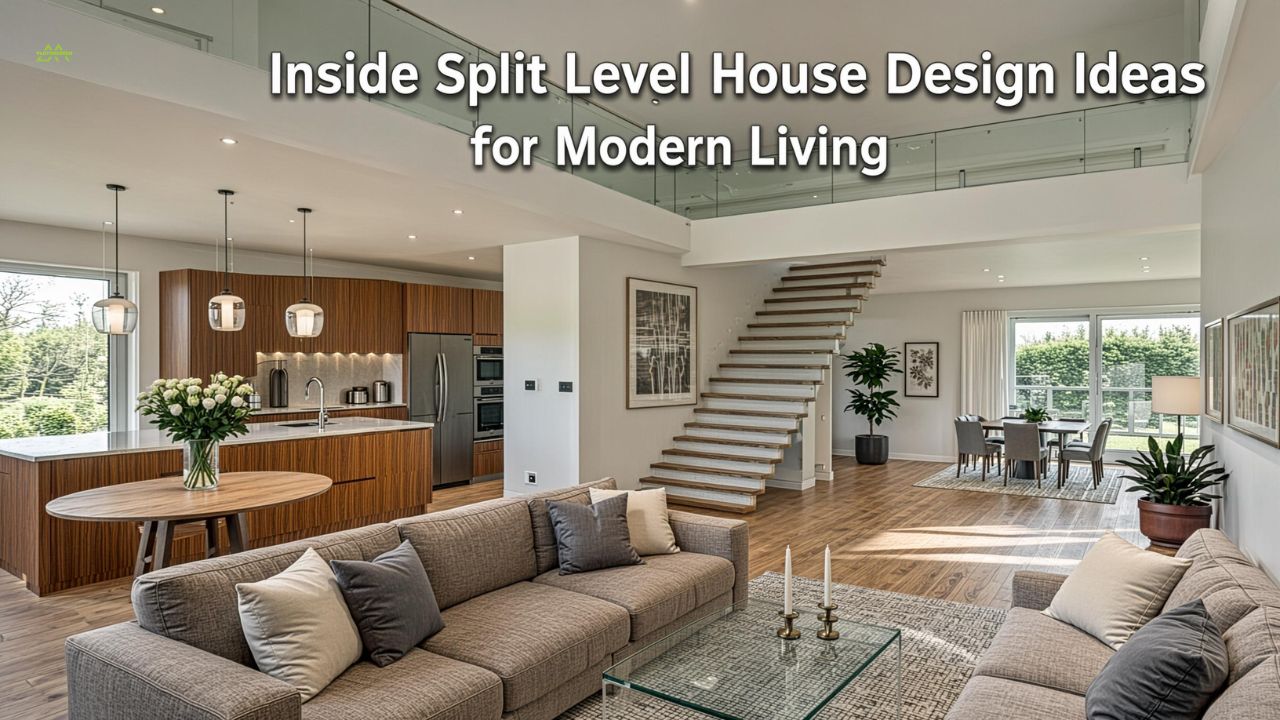
There’s something uniquely interesting about walking through a split-level home. The changing floor heights, connected living spaces, and layered layout create a style that feels different from traditional houses. Exploring the inside split level house design trend reveals how these homes can be both functional and visually dynamic when styled thoughtfully.
Originally popularized in the mid-20th century, split-level homes remain common in suburban neighborhoods today. While some homeowners see them as outdated, others appreciate their character, flexible layouts, and renovation potential.
With the right design approach, split-level interiors can feel modern, spacious, and highly personalized. From open-concept renovations to smart lighting and creative staircase ideas, these homes offer endless opportunities for transformation.
What Is a Split-Level House?
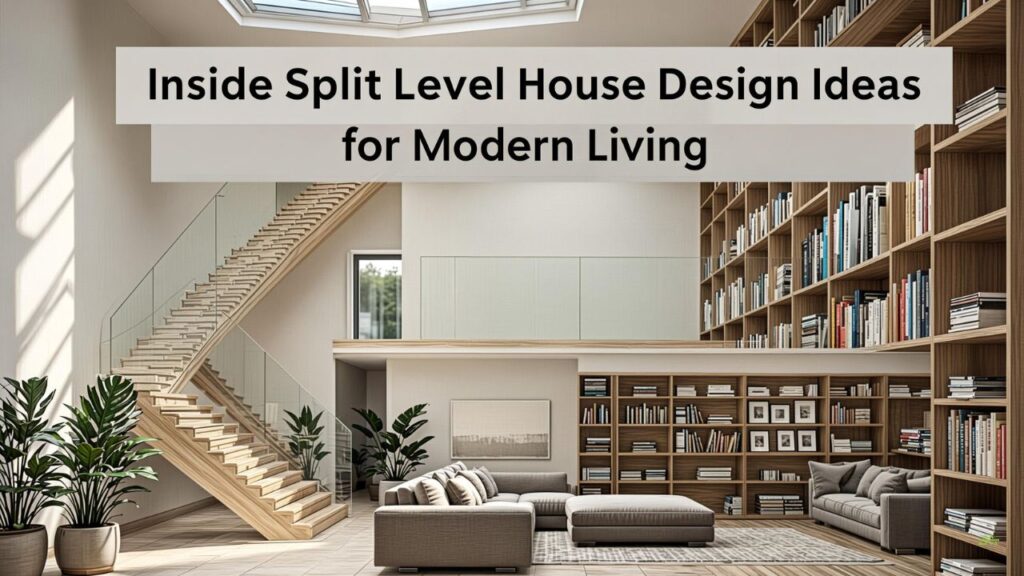
A split-level house features staggered floors connected by short staircases instead of full traditional levels.
The typical inside split level house layout includes:
- A main living area
- An upper bedroom level
- A lower family room or basement area
- Multiple short staircases
This design creates separate zones while maintaining overall connection between spaces.
Why Split-Level Homes Became Popular
Split-level homes became especially popular during the 1950s through the 1970s.
Families appreciated:
- More separation between living areas
- Efficient use of smaller lots
- Additional square footage
- Distinct entertainment and sleeping zones
The design reflected changing lifestyles during suburban expansion.
Common Types of Split-Level Homes
There are several variations of split-level layouts.
Standard Split-Level
Features three staggered levels connected by short stairs.
Split Foyer
The entry opens directly to a staircase leading either upstairs or downstairs.
Side Split
Levels are visible from the front exterior with staggered side sections.
Each layout offers unique design possibilities.
Advantages of Split-Level Home Layouts
Split-level homes offer several benefits that continue to attract homeowners today.
Understanding the strengths of an inside split level house helps explain why many people choose to renovate rather than replace these homes.
Better Separation Between Spaces
Different levels naturally create designated zones for:
- Sleeping
- Entertaining
- Relaxing
- Working
- Family activities
This layout provides privacy while maintaining an overall connected feel.
Flexible Living Areas
Lower levels often become:
- Family rooms
- Home offices
- Guest suites
- Playrooms
- Entertainment spaces
The flexibility makes split-level homes adaptable for growing families.
Large Windows and Natural Light
Many split-level homes feature large windows and open staircases that allow natural light to flow throughout the house.
With modern updates, these homes can feel surprisingly bright and airy.
Common Design Challenges in Split-Level Homes
Despite their advantages, split-level layouts can sometimes feel disconnected or outdated.
Homeowners redesigning the inside split level house often focus on improving flow and visual openness.
Complicated Floor Transitions
Multiple staircases can interrupt visual continuity.
This sometimes makes spaces feel smaller or fragmented.
Limited Open-Concept Layouts
Older split-level homes often have:
- Closed kitchens
- Narrow hallways
- Divided rooms
- Low ceilings in lower levels
These features may feel restrictive compared to modern open-plan homes.
Entryway Confusion
Split foyers can create awkward entrances where guests immediately face stairs.
Without thoughtful styling, entry areas may feel cramped or uninviting.
Modern Remodeling Ideas for Split-Level Homes
Many homeowners are transforming older layouts into more contemporary interiors.
Smart renovations can completely modernize an inside split level house without losing its architectural character.
Opening the Kitchen and Living Areas
One of the most popular updates involves removing non-load-bearing walls.
This creates:
- Better sightlines
- Improved natural light
- Enhanced entertaining spaces
- Stronger connection between levels
Open layouts instantly make older homes feel more current.
Updating Staircases
Staircases are major focal points in split-level homes.
Modern upgrades include:
- Glass railings
- Black metal balusters
- Floating stairs
- Wood slat dividers
- Contemporary lighting
Updated staircases dramatically improve the home’s visual appeal.
Improving Ceiling Height Perception
Even if ceilings can’t physically be raised, certain design techniques create a more spacious feel.
Helpful strategies include:
- Recessed lighting
- Vertical wall paneling
- Lighter paint colors
- Large mirrors
- Open shelving
These details visually expand the space.
Best Color Schemes for Split-Level Interiors
Color choices strongly influence how connected or divided a home feels.
Use Consistent Flooring and Paint
Continuity between levels creates smoother visual transitions.
Using similar flooring and coordinated paint colors helps the house feel more cohesive.
Popular Modern Color Palettes
Many updated split-level homes use:
- Warm whites
- Soft grays
- Beige neutrals
- Sage greens
- Charcoal accents
These palettes feel modern while maintaining warmth.
Adding Contrast Thoughtfully
Black accents, wood textures, and bold lighting fixtures add definition without overwhelming the layout.
Balanced contrast helps different levels feel intentional rather than disconnected.
Furniture Layout Tips for Split-Level Homes
Furniture placement can significantly influence functionality and visual flow.
Define Zones Clearly
Area rugs, lighting, and furniture groupings help distinguish spaces naturally.
For example:
- A sectional defines the living room
- A rug anchors the dining area
- Accent chairs create reading corners
These visual boundaries improve organization.
Avoid Oversized Furniture
Large bulky furniture can overwhelm staggered layouts.
Instead, choose:
- Raised-leg sofas
- Streamlined sectionals
- Open shelving
- Lightweight accent tables
These pieces maintain openness.
Maximize Lower-Level Comfort
Lower-level family rooms can sometimes feel dark.
To improve warmth and comfort:
- Add layered lighting
- Use textured fabrics
- Incorporate warm colors
- Include cozy rugs
These details make lower levels more inviting.
Lighting Ideas That Brighten Split-Level Homes
Lighting is especially important in multi-level interiors.
Poor lighting can make transitions feel darker and more enclosed.
Layer Different Types of Lighting
Successful split-level homes use:
- Ambient ceiling lighting
- Accent wall sconces
- Floor lamps
- Under-cabinet lighting
- Stair lighting
Layered lighting creates depth and balance.
Statement Lighting for Staircases
Pendant lights or chandeliers above stairwells create dramatic focal points.
They also help visually connect multiple levels together.
Maximize Natural Light
Avoid heavy window treatments that block sunlight.
Light-filtering curtains and strategically placed mirrors help brighten interiors naturally.
Decorating an Inside Split Level House With Style
Decorating these homes requires balancing openness with comfort.
Blend Old and New Elements
Many split-level homes have mid-century architectural influences.
Mixing vintage-inspired details with modern finishes creates a balanced and updated appearance.
Use Texture for Warmth
Layering textures prevents interiors from feeling flat.
Popular textures include:
- Wood accents
- Linen fabrics
- Stone surfaces
- Woven baskets
- Matte ceramics
These materials create visual depth.
Create Cohesion Between Levels
Repeating colors, materials, and decor styles throughout the house creates stronger visual harmony.
Consistency helps the home feel intentional and connected.
Smart Storage Solutions for Split-Level Homes
Storage is essential in homes with multiple compact levels.
Built-In Storage Ideas
Built-ins maximize unused wall space.
Popular options include:
- Staircase storage
- Mudroom benches
- Floating shelves
- Media cabinets
- Hidden storage seating
These additions improve organization without adding clutter.
Use Multifunctional Furniture
Furniture with hidden storage helps maintain cleaner spaces.
Examples include:
- Storage ottomans
- Lift-top coffee tables
- Bed frames with drawers
- Console cabinets
Multifunctional pieces are especially useful in smaller split-level layouts.
Common Mistakes to Avoid When Renovating
Renovating split-level homes requires thoughtful planning.
Removing Too Many Walls
Open layouts are popular, but removing every division can eliminate useful structure and zoning.
Balance openness with functionality.
Ignoring Staircase Design
Staircases heavily influence the entire home’s appearance.
Outdated railings and poor lighting can make interiors feel older than they are.
Using Inconsistent Materials
Switching flooring or paint dramatically between levels can make the home feel disconnected.
Consistency improves visual flow.
FAQ
What is a split-level house?
A split-level house features staggered floors connected by short staircases instead of traditional full levels.
Are split-level homes outdated?
Not necessarily. Many split-level homes are being modernized with open layouts, updated finishes, and contemporary decor.
How can I make a split-level home feel more open?
Removing non-load-bearing walls, improving lighting, and using consistent flooring can create a more open feel.
What colors work best in split-level homes?
Neutral tones like warm white, beige, gray, and sage green help create cohesion and brightness.
Why do split-level homes feel darker sometimes?
Lower levels may receive less natural light, especially in older designs with smaller windows.
Can split-level homes have open-concept layouts?
Yes. Many homeowners successfully create semi-open or fully open layouts through remodeling.
How do I modernize a split-level staircase?
Updating railings, lighting, and stair materials instantly creates a more contemporary appearance.
Are split-level homes good for families?
Yes. Their separated zones provide privacy and flexible living areas that work well for family life.
Conclusion
Split-level homes may have originated decades ago, but their unique layouts continue to offer incredible potential for modern living. With thoughtful renovations, updated finishes, and strategic design choices, these homes can feel bright, stylish, and highly functional.
The layered structure of a split-level home creates natural separation between spaces while still maintaining connection throughout the house. From open-concept kitchen renovations to dramatic staircase upgrades and smart lighting solutions, even small changes can dramatically transform the interior atmosphere.
Whether you prefer modern minimalism, cozy contemporary design, or a blend of vintage and modern styles, split-level homes provide a versatile foundation for creativity. With the right approach, these once-overlooked layouts can become some of the most interesting and inviting homes on the block.