Introduction
Small rooms can sometimes feel cramped, dark, or overwhelming, especially when furniture, lighting, and décor aren’t working together properly. The good news is that learning how to make a room look bigger doesn’t always require knocking down walls or spending a fortune on renovations.
A few smart design choices can dramatically change how a room feels. Color, furniture placement, lighting, mirrors, and even curtain height all influence the way the eye perceives space. With the right approach, compact rooms can feel brighter, more open, and far more comfortable.
Whether you live in a small apartment, a cozy home, or simply want to improve a tighter room, visual space matters. Creating openness helps rooms feel calmer, cleaner, and more inviting while improving everyday functionality at the same time.

Why Some Rooms Feel Smaller Than They Are
A room’s actual square footage isn’t always the biggest factor affecting how spacious it feels.
Visual Clutter Creates Tightness
Too many objects, decorations, or furniture pieces overwhelm the eye and make rooms feel crowded instantly.
Poor Lighting Shrinks Spaces
Dark corners and limited natural light create heaviness that visually compresses a room.
Oversized Furniture Dominates the Space
Furniture that’s too bulky for the room interrupts flow and reduces visible floor area.
Bad Layouts Restrict Movement
Awkward furniture placement makes even moderately sized rooms feel uncomfortable and cramped.
Understanding these factors is essential when learning how to make a room look bigger effectively.

Use Light Colors to Open the Space
Color dramatically influences spatial perception.
Soft Neutrals Reflect More Light
Lighter shades help bounce light around the room, creating a brighter and more open appearance.
Popular choices include:
- Warm white
- Soft beige
- Pale gray
- Cream
- Light taupe
- Soft sage
Monochromatic Schemes Feel Seamless
Using similar tones throughout walls, furniture, and décor reduces visual interruptions and helps rooms appear larger.
Dark Colors Can Still Work Carefully
Deep colors aren’t automatically bad for small spaces, but they generally require excellent lighting and balanced contrast.
Mirrors Create Instant Visual Expansion
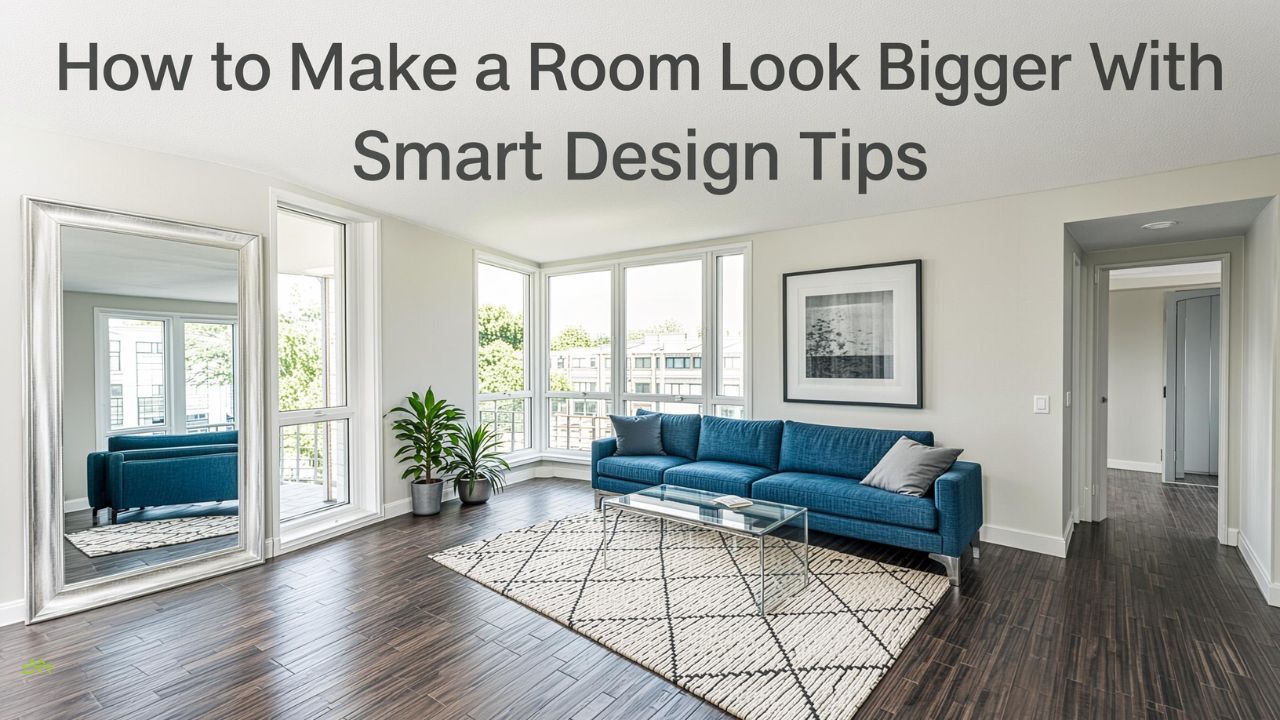
Mirrors remain one of the most effective tools for making rooms feel larger.
Reflecting Light Brightens the Room
Mirrors bounce both natural and artificial light throughout the space.
Large Mirrors Work Best
Oversized mirrors create the strongest illusion of depth and openness.

Position Mirrors Strategically
Placing a mirror across from a window maximizes brightness and visually extends the room.
Mirrored Furniture Adds Lightness
Mirrored side tables or cabinets reflect surrounding space subtly without overwhelming the design.
Choose Furniture That Fits the Room Properly
Furniture scale has a massive impact on how spacious a room feels.
Avoid Oversized Pieces
Large sectionals, bulky dressers, or heavy coffee tables can dominate compact rooms quickly.
Use Furniture With Exposed Legs
Furniture raised off the floor creates visual openness because more flooring remains visible.
Multifunctional Furniture Saves Space
Furniture with multiple purposes reduces clutter and improves functionality.
Examples include:
- Storage ottomans
- Sofa beds
- Lift-top coffee tables
- Expandable dining tables
- Wall-mounted desks
Limit the Number of Pieces
Sometimes fewer furniture items create a much more comfortable environment than trying to maximize seating or storage.

Keep Floors as Visible as Possible
Visible flooring creates the illusion of openness.
Avoid Covering Every Inch With Rugs
Too many rugs visually break up the floor area and make rooms feel fragmented.
Use Appropriately Sized Rugs
A rug that’s too small can actually shrink a room visually. Larger rugs often create better continuity.
Clear Pathways Improve Flow
Rooms feel larger when movement feels easy and unrestricted.
One of the simplest ways to understand how to make a room look bigger is by reducing unnecessary visual barriers.
Maximize Natural Light
Natural light instantly makes rooms feel more expansive.
Use Sheer Curtains
Heavy drapes block light and visually weigh down smaller rooms.
Hang Curtains Higher
Mounting curtain rods closer to the ceiling creates the illusion of taller walls.
Keep Windows Unobstructed
Avoid placing tall furniture directly in front of windows whenever possible.
Use Reflective Surfaces
Glass, metallic accents, and glossy finishes help distribute light throughout the room.
Decluttering Makes a Huge Difference
Clutter is one of the fastest ways to make any room feel smaller.
Limit Decorative Accessories
Too many small decorative objects create visual chaos.
Use Hidden Storage
Storage furniture helps keep surfaces cleaner and more organized.
Organize Open Shelving Carefully
Overcrowded shelves can quickly overwhelm compact spaces.
Keep Countertops Clear
Minimal visible clutter instantly creates a calmer and more spacious appearance.
Vertical Space Is Often Underused
Many people focus only on floor space while ignoring wall height.
Tall Shelving Draws the Eye Upward
Vertical storage helps create the illusion of taller ceilings.
Floor-to-Ceiling Curtains Add Height
Long curtains naturally elongate the walls visually.
Vertical Artwork Improves Proportion
Tall art pieces or gallery arrangements encourage upward visual movement.
Wall-Mounted Storage Frees Floor Space
Floating shelves and mounted cabinets create openness underneath.
Lighting Layers Make Rooms Feel Larger
Lighting affects mood, dimension, and visual openness.
Avoid Relying on One Overhead Fixture
Single ceiling lights often create harsh shadows that shrink rooms visually.
Layer Different Light Sources
Combine:
- Table lamps
- Floor lamps
- Wall sconces
- Pendant lights
- LED accent lighting
Warm Lighting Feels More Inviting
Soft warm-toned lighting creates depth and comfort without feeling harsh.
Bright Corners Improve Openness
Dark corners visually close in a room, so illuminate neglected areas whenever possible.
Glass and Transparent Furniture Work Beautifully
Clear materials create less visual weight.
Glass Tables Feel Lighter
Glass coffee tables or dining tables don’t interrupt sightlines the way solid furniture does.
Acrylic Furniture Disappears Visually
Lucite and acrylic pieces help rooms feel less crowded while still remaining functional.
Open Furniture Designs Feel Airier
Furniture with open frames creates a less bulky appearance.
How to Make a Room Look Bigger With Smart Layouts
Layout choices strongly influence how open a room feels.
Float Furniture Slightly Away From Walls
Pushing everything tightly against walls can sometimes emphasize room limitations.
Create Clear Traffic Flow
Easy movement makes rooms feel more spacious and functional.
Angle Furniture Carefully
Occasionally angling furniture softens boxy layouts and improves openness.
Use Symmetry for Balance
Balanced arrangements create calmness and visual harmony.
A thoughtful layout is one of the most powerful ways to master how to make a room look bigger naturally.
Use Minimalism Strategically
Minimalism isn’t about making a room feel empty. It’s about intentional simplicity.
Focus on Quality Over Quantity
Fewer, larger decorative pieces often look more sophisticated than many tiny items.
Stick to a Cohesive Color Palette
Too many contrasting colors can make spaces feel visually busy.
Let Furniture Breathe
Leaving small gaps around furniture helps create openness.
Ceiling Tricks That Expand the Room
Ceilings significantly affect spatial perception.
Paint the Ceiling Light
Lighter ceilings visually lift the room upward.
Add Vertical Details
Vertical wall paneling or striped patterns can create height illusions.
Avoid Heavy Ceiling Fixtures
Oversized chandeliers may overwhelm smaller rooms.
Small Bedroom Design Tips
Bedrooms especially benefit from visual openness.
Use Raised Beds
Beds with visible space underneath create lightness.
Keep Nightstands Compact
Oversized bedside furniture quickly crowds smaller bedrooms.
Use Wall Lighting
Mounted sconces free up surface space on bedside tables.
Limit Excess Bedding
Too many pillows or bulky blankets can visually overwhelm the room.
Small Living Room Solutions
Living rooms often serve multiple purposes in smaller homes.
Choose Slim Furniture Profiles
Narrow-arm sofas and compact chairs create more usable space.
Use Nesting Tables
Flexible furniture adapts easily when needed.
Keep Decor Balanced
A few meaningful accents create personality without overcrowding the room.
Define Zones Carefully
Area rugs and lighting help organize open spaces without physical dividers.
The Role of Texture in Small Spaces
Texture adds warmth without necessarily making rooms feel smaller.
Use Soft Layering
Throw blankets, textured pillows, and woven accents create comfort.
Avoid Too Many Busy Patterns
Excessive patterns can make rooms feel visually chaotic.
Combine Smooth and Natural Materials
Mixing wood, glass, linen, and metal creates balanced visual interest.
Understanding texture helps refine how to make a room look bigger while still keeping the room inviting and stylish.
Common Mistakes That Make Rooms Feel Smaller
Even beautiful décor choices can reduce openness if used incorrectly.
Using Tiny Rugs
Small rugs visually shrink floor space.
Blocking Windows
Obstructed natural light immediately makes rooms feel tighter.
Overcrowding Walls
Too much wall décor creates visual clutter.
Choosing Dark Heavy Furniture
Bulky dark furniture can dominate compact rooms quickly.
Ignoring Storage
Visible clutter instantly reduces perceived space.
Budget-Friendly Ways to Expand a Room Visually
You don’t need a major renovation budget to improve a room dramatically.
Rearrange Existing Furniture
Simple layout adjustments often make the biggest difference.
Paint the Walls
Fresh light paint creates immediate visual openness.
Replace Heavy Curtains
Switching to sheer curtains costs relatively little but improves brightness significantly.
Add One Large Mirror
A single oversized mirror can completely transform a small room’s appearance.
Psychological Effects of Open Spaces
Spacious-feeling rooms don’t just look better—they often feel emotionally better too.
Openness Reduces Stress
Cleaner, brighter spaces often feel calmer and more relaxing.
Natural Light Improves Mood
Sunlight strongly influences emotional well-being and comfort.
Organization Improves Focus
Clutter-free spaces support mental clarity and productivity.
h2 FAQs
h3 What colors make a room look bigger?
Light neutrals such as white, beige, pale gray, and soft taupe generally make rooms appear more open and airy.
h3 Do mirrors really make rooms look bigger?
Yes. Mirrors reflect light and create the illusion of depth, helping rooms feel larger visually.
h3 What type of furniture works best in small rooms?
Furniture with slim profiles, exposed legs, and multifunctional features works especially well in compact spaces.
h3 Should curtains touch the floor in small rooms?
Yes. Floor-length curtains help create the illusion of taller ceilings and larger windows.
h3 Can dark colors work in small rooms?
They can, but they require good lighting and balanced contrast to avoid making the room feel enclosed.
h3 How do I make a bedroom feel bigger?
Use lighter colors, reduce clutter, maximize natural light, and choose appropriately scaled furniture.
h3 Does decluttering really make a difference?
Absolutely. Reducing visual clutter is one of the fastest ways to make any room feel more spacious.
h3 Are large rugs better for small rooms?
In many cases, yes. Larger rugs create visual continuity and help rooms feel more open.
Conclusion
Creating a spacious-feeling room has less to do with square footage and more to do with thoughtful design choices. Light, layout, furniture scale, storage, and color all work together to influence how open a space feels.
Learning how to make a room look bigger often comes down to simplifying the environment, maximizing light, and reducing visual clutter. Small adjustments like adding mirrors, using lighter tones, rearranging furniture, or improving storage can completely transform the atmosphere of a room.
Even the smallest spaces can feel stylish, comfortable, and surprisingly open when every design element works together intentionally.