
Article
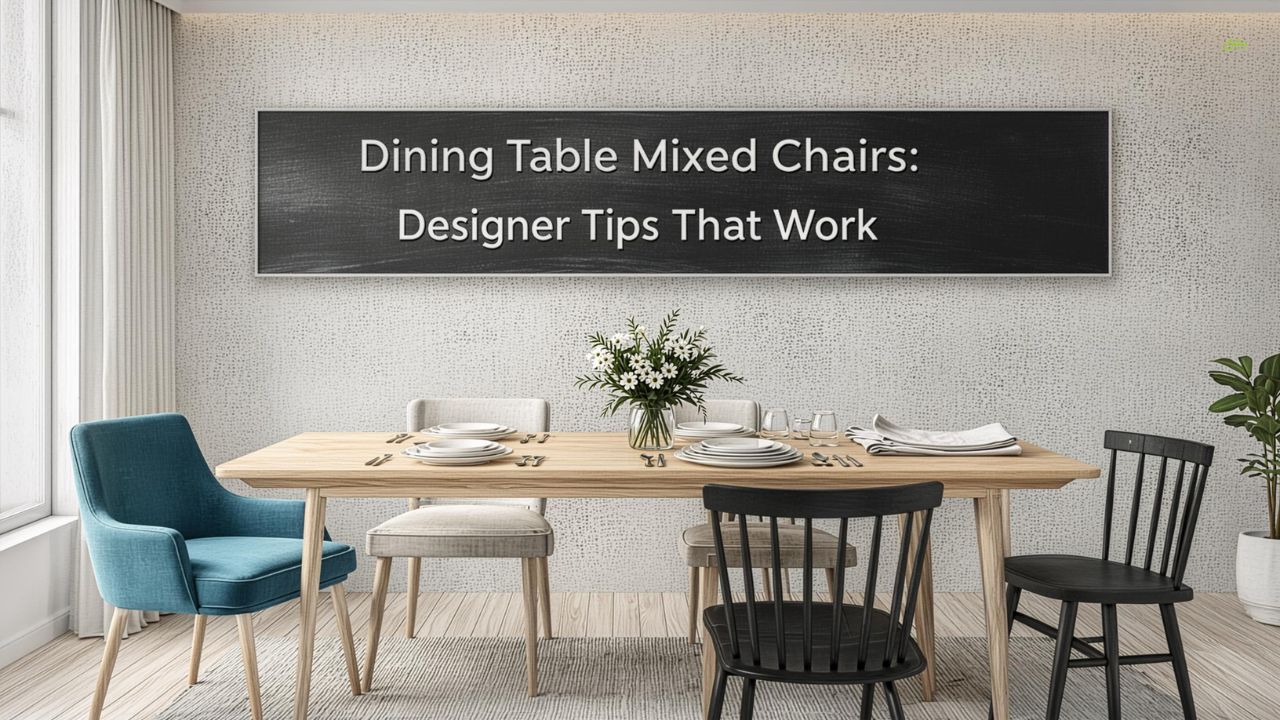
A dining room can look beautiful without every chair matching perfectly. In fact, dining table mixed chairs can make a space feel warmer, more personal, and more thoughtfully collected than a standard matching set.
The challenge is making the mix feel intentional instead of random. One chair too tall, one finish too shiny, or one color that does not connect with anything else in the room can throw off the whole look.
The good news is that mixing chairs around a dining table is not reserved for professional designers. With a few simple rules around scale, color, material, comfort, and balance, you can create a dining area that feels stylish, practical, and easy to live with.
Dining Table Mixed Chairs: What the Look Really Means
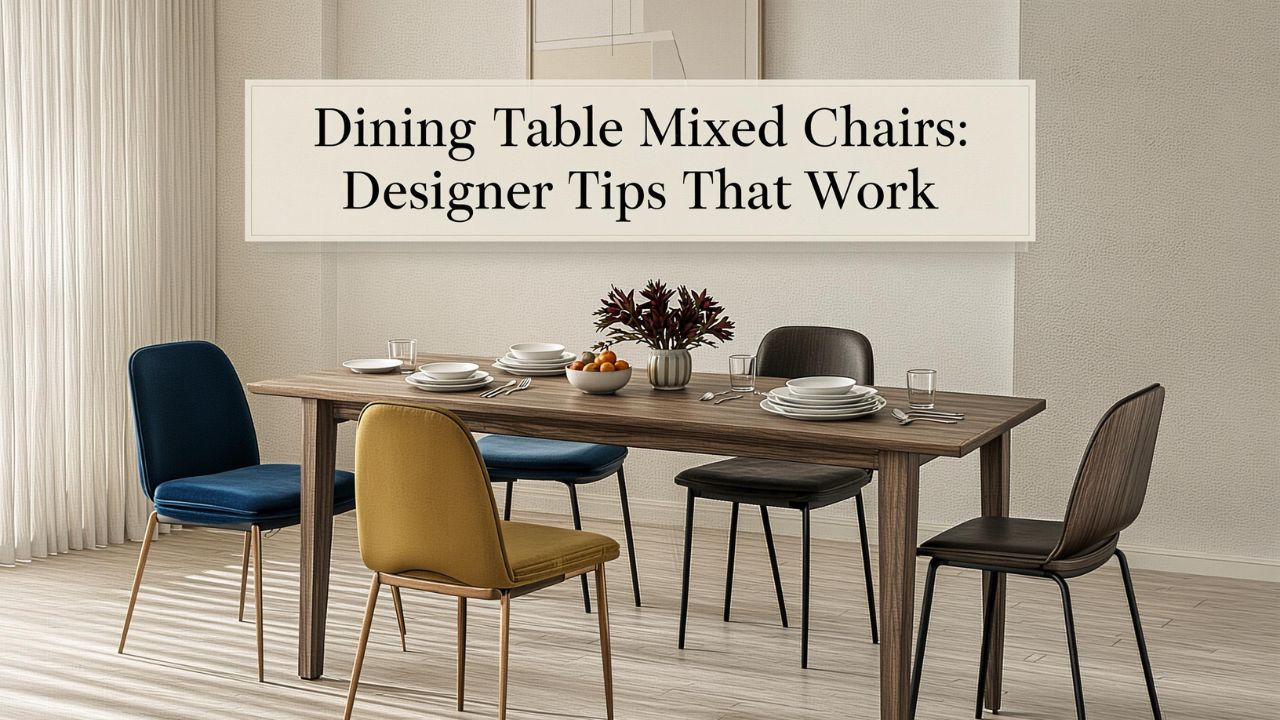
Dining table mixed chairs refers to using two or more chair styles around the same dining table. That might mean pairing upholstered end chairs with wooden side chairs, mixing vintage chairs with modern ones, adding a bench on one side, or using the same chair in several colors.
This approach works because dining rooms do not have to feel overly formal anymore. Many homes now use the dining area for meals, homework, work-from-home tasks, family games, and casual entertaining. A more collected seating arrangement can make the room feel inviting rather than stiff.
There are several common ways to create the look:
- Matching side chairs with different end chairs
- A bench paired with dining chairs
- The same chair in mixed colors
- Different chair styles in the same material
- Vintage and modern chairs combined
- Upholstered chairs mixed with wood or metal chairs
The best version depends on your dining table, room size, lifestyle, and the mood you want to create.
Why Mixed Dining Chairs Are So Popular
The rise of mixed dining chairs is not just about style. It solves real decorating problems.
First, it allows you to avoid the showroom look. A complete matching dining set can be elegant, but it can also feel predictable. Mixing chairs brings character and gives the room a more lived-in feel.
Second, it makes decorating more flexible. Maybe you already have four chairs you like but need two more. Maybe you found a vintage pair you love. Maybe your table is new, but your budget does not allow for six or eight identical chairs. A mixed arrangement lets you work with what you have.
Third, it can improve function. End chairs can be more comfortable for long meals. A bench can help fit more people in a tight space. Lightweight side chairs can be easier for children to move.
Finally, it gives you room to express your taste. A dining room with mismatched dining chairs can feel traditional, modern, rustic, coastal, eclectic, minimalist, or farmhouse depending on how you combine the pieces.
When Mixed Chairs Work Best
Mixing chairs works especially well when the room needs personality, flexibility, or a more relaxed feel.
It is a great choice if you:
- Want your dining room to feel collected instead of formal
- Have inherited, thrifted, or vintage chairs you want to use
- Need to stretch your furniture budget
- Like layered interiors with texture and contrast
- Want to update your dining room without replacing everything
- Have an open-concept space that needs visual interest
- Want to combine comfort with style
Mixed seating is also ideal for homes where the dining room is used every day. You can choose sturdy side chairs for daily meals and softer end chairs for comfort when hosting.
When It May Not Be the Best Choice
Although mismatched chairs can look beautiful, they are not right for every room or every homeowner.
This approach may not be ideal if you prefer a very symmetrical, formal, or traditional dining room. It can also feel busy in a room that already has bold wallpaper, patterned rugs, colorful cabinets, dramatic lighting, or many decorative objects.
Mixed chairs can also become frustrating if comfort levels vary too much. For example, if one chair has arms, another has a low back, and another sits noticeably higher, guests may not feel equally comfortable.
The goal is not to mix for the sake of mixing. The goal is to create a balanced dining space where every chair feels like it belongs.
The Core Rule: Mix With a Common Thread
The easiest way to make dining room chairs look good together is to give them at least one shared element. Designers often call this a “common thread.”
That shared element might be:
- Color
- Wood tone
- Seat height
- Shape
- Material
- Finish
- Upholstery fabric
- Design style
- Leg style
- Back height
For example, you might use six different wooden chairs, but all in a similar warm oak tone. Or you might use different chair shapes, but paint them all black. Or you might pair modern side chairs with upholstered end chairs that repeat the color of your rug.
A common thread keeps the arrangement from looking accidental. It tells the eye, “These pieces are different, but they belong together.”
Start With the Dining Table
Before choosing chairs, look carefully at your table. The table is the anchor of the room, so the chairs should respond to its shape, size, finish, and visual weight.
A chunky farmhouse table can usually handle heavier chairs, benches, spindle backs, or upholstered end chairs. A slim glass table often looks better with lighter chairs that do not visually crowd the space. A pedestal table may need chairs with narrower legs so people can sit comfortably without bumping into the base.
Match the Visual Weight
Visual weight is how heavy or light something looks, regardless of its actual weight.
A thick reclaimed wood table has strong visual weight. It can support substantial chairs with arms, upholstery, or bold shapes. A delicate mid-century table has lighter visual weight, so bulky chairs may overpower it.
As a general guide:
| Dining Table Style | Chair Mix That Often Works |
|---|---|
| Farmhouse wood table | Spindle chairs, benches, slipcovered end chairs |
| Modern rectangular table | Clean-lined upholstered chairs, molded chairs, metal chairs |
| Round pedestal table | Curved-back chairs, armless chairs, compact styles |
| Glass dining table | Light wood, acrylic, metal, or slim upholstered chairs |
| Traditional table | Upholstered captain’s chairs with simpler side chairs |
| Rustic table | Vintage wood chairs, woven seats, black painted chairs |
The chairs do not need to match the table, but they should feel proportionate next to it.
Pay Attention to Seat Height
Seat height is one of the most important details when mixing chairs. If one chair sits too high and another sits too low, the dining area will feel uncomfortable even if it looks attractive.
Most standard dining tables are about 28 to 30 inches high. Most dining chair seats are about 17 to 19 inches high. The ideal space between the chair seat and tabletop is typically around 10 to 12 inches.
When combining chair styles, try to keep seat heights within about 1 inch of each other. A slight difference is usually fine. A major difference will be noticeable.
Also check cushion thickness. A chair with a thick upholstered cushion may sit higher than a wooden chair, even if the frame measurements look similar.
Keep Chair Back Heights Balanced
Back height affects the rhythm of the room. Chairs do not all need to be the exact same height, but they should create a pleasing line around the table.
One popular approach is to use taller chairs at the ends and lower chairs along the sides. This works especially well for rectangular tables because it creates a natural sense of hierarchy.
For example:
- Two tall captain’s chairs at the ends
- Four lower wooden side chairs along the sides
- A bench on one side and chairs on the other
- Upholstered end chairs with simple armless side chairs
Avoid mixing too many drastically different back heights unless you are intentionally creating a highly eclectic look. For most homes, a controlled mix feels more polished.
Use Color to Pull the Look Together
Color is one of the simplest ways to make mixed dining chairs feel intentional.
You can repeat one chair color throughout the room, connect the chair color to the table finish, or pull a color from nearby decor. This is especially important in open-concept homes where the dining area connects to the kitchen or living room.
Easy Color Strategies
One safe strategy is to keep all chairs in a neutral palette. Black, white, cream, gray, tan, walnut, oak, and natural woven tones are easy to mix.
Another option is to choose one statement color and repeat it. For example, you could use four black side chairs and two patterned end chairs that include black in the fabric.
You can also mix different chair colors in the same style. This works well in casual, modern, Scandinavian, and family-friendly spaces. For example, the same molded chair in white, sage, and charcoal can feel playful without becoming chaotic.
Best Color Combinations
| Style Goal | Color Combination |
|---|---|
| Classic and polished | Black chairs with a wood table |
| Soft and neutral | Cream upholstery with oak side chairs |
| Modern farmhouse | White side chairs with natural wood end chairs |
| Bold and dramatic | Navy or charcoal end chairs with black side chairs |
| Warm and casual | Mixed wood tones with woven seats |
| Light and airy | White, pale oak, linen, and rattan |
When in doubt, use fewer colors and more texture. A dining room with wood, linen, cane, and metal can feel rich even if the palette is simple.
Mix Materials for Depth and Texture
A room becomes more interesting when it includes different textures. That is why wood dining chairs, upholstered chairs, metal chairs, cane backs, rattan seats, and benches can work beautifully together.
The key is balance. If the table is wood and the floor is wood, adding more wood chairs may feel too heavy unless you vary the tone or add upholstery. If the room has sleek cabinets, polished lighting, and a glass table, natural wood or woven chairs can add warmth.
Popular Material Mixes
Wood and upholstery is one of the easiest combinations. The wood keeps the space grounded, while the upholstery adds softness.
Wood and metal can feel industrial, farmhouse, or modern depending on the shapes. Black metal chairs with a rustic wood table create a casual, durable look.
Cane or rattan mixed with painted chairs adds texture without making the room feel too formal. This works especially well in coastal, cottage, and transitional interiors.
A bench mixed with chairs can make the room feel relaxed and family-friendly. It can also help save space, especially when the bench can tuck under the table.
The Safest Formula: End Chairs Plus Side Chairs
One of the most reliable ways to use dining table mixed chairs is to choose one style for the sides and a different style for the ends.
This formula works because it has built-in symmetry. The two end chairs match each other, and the side chairs match each other. The room feels coordinated without looking overly matched.
How to Make This Formula Work
Choose end chairs that feel slightly more special than the side chairs. They might have arms, upholstery, a taller back, a curved silhouette, or a richer fabric.
Then choose side chairs that are simpler, slimmer, and easy to move. These chairs should support the look without competing with the end chairs.
For example:
- Linen upholstered end chairs with black Windsor side chairs
- Leather captain’s chairs with oak side chairs
- Cane-back end chairs with white side chairs
- Slipcovered end chairs with rustic wood side chairs
- Velvet end chairs with simple modern side chairs
This approach is especially helpful if you are new to mixing chairs and want a designer look without taking too many risks.
Using a Bench With Dining Chairs
A dining bench can be a smart addition to a mixed seating arrangement. It works especially well in casual dining rooms, breakfast nooks, open kitchens, and family homes.
Benches are useful because they can seat more people in less space. A bench without a back can also tuck under the table, making the room feel more open when not in use.
However, benches are not always the most comfortable option for long dinners. They can also be harder for older adults or guests with mobility concerns, especially if people need to slide in and out.
Best Ways to Use a Bench
Use a bench on one long side of a rectangular table, with chairs on the opposite side and at the ends. This keeps the arrangement balanced.
For a small dining room, choose a backless bench that fits mostly under the table. For a built-in breakfast nook, a cushioned banquette may be more comfortable.
To make a bench feel connected to the chairs, repeat a material or color. For example, a black bench can pair with black Windsor chairs. A wood bench can match the table while upholstered chairs bring softness.
Mixing Vintage and Modern Chairs
Combining vintage dining chairs with modern pieces can give a dining room character that new furniture alone often cannot provide.
The trick is to avoid making the vintage pieces look like leftovers. They need a clear role in the design.
A set of vintage side chairs can look fresh with a simple modern table. A pair of vintage end chairs can add personality to otherwise clean-lined seating. One antique chair at a desk nearby can echo the dining chairs without needing to match them.
Tips for Vintage Chair Mixing
Check the structure before using vintage chairs daily. Wobbly legs, loose joints, cracked frames, and weak seats may need repair.
Consider refinishing or reupholstering if the shape is good but the finish feels dated. A new fabric can make older chairs feel current while preserving their charm.
Keep at least one element consistent. For example, pair vintage walnut chairs with a walnut-toned modern table, or paint different vintage chairs the same color.
Vintage and modern pairings work best when the contrast looks deliberate. A sleek table with ornate chairs can look striking. A rustic table with mid-century chairs can feel warm and relaxed.
Matching Comfort Levels
A beautiful dining room still needs to work for real meals. Comfort matters, especially if your dining table is used for long dinners, holidays, work, puzzles, or family activities.
When mixing chairs, test how they feel together. Are some seats much deeper than others? Are the arms too high to slide under the table? Does one chair encourage better posture while another feels too low?
Comfort Details to Check
Look for chairs with similar seat depths. A very deep upholstered chair can feel lounge-like, while a shallow wooden chair may feel more upright.
Check arm clearance. Chairs with arms need to fit under the table or at least pull close enough for comfortable eating.
Consider back support. Low-back chairs can look modern, but they may not be ideal for long meals.
Think about fabric and cleanup. In homes with children, pets, or frequent entertaining, performance fabric, leather, vinyl, wood, or wipeable materials may be more practical than delicate linen.
How Many Chair Styles Should You Mix?
For most dining rooms, two chair styles are enough. Three can work if the room is larger or if one seating type is a bench. More than three chair styles can look charming in a highly eclectic space, but it requires more control.
A good beginner formula is:
- One dining table
- One style of side chair
- One style of end chair
A slightly more layered formula is:
- One dining table
- Side chairs
- End chairs
- One bench
A more eclectic formula is:
- One dining table
- Several different chairs
- One shared color, finish, or material
The more styles you mix, the more important the common thread becomes.
Choosing Chairs by Dining Room Style
Different design styles call for different types of chair mixes. You do not have to follow one style perfectly, but it helps to know what combinations naturally work.
Modern Dining Room
For a modern dining room, keep lines clean and colors controlled. Try slim upholstered chairs with a wood or stone table, or molded chairs with simple metal legs.
A strong mix could include black side chairs with cream upholstered end chairs. Another option is a round pedestal table with curved chairs in two related tones.
Avoid too many ornate shapes. Modern rooms usually look best when the mix feels edited.
Farmhouse Dining Room
A farmhouse dining room is one of the easiest places to use mixed seating. Wooden tables, benches, Windsor chairs, ladder-back chairs, slipcovered end chairs, and painted finishes all work well together.
Try a natural wood table with black spindle side chairs and linen end chairs. Or use a wood bench on one side with white chairs on the other.
The key is warmth, durability, and comfort. Avoid making the space too themed; a few modern touches can keep it fresh.
Traditional Dining Room
In a traditional dining room, mixed chairs should feel refined. Use symmetry, rich finishes, and classic shapes.
A safe choice is upholstered armchairs at the ends with carved wood side chairs. You can also use the same chair frame with different upholstery on the end chairs.
Keep colors elegant and coordinated. Deep wood tones, cream fabric, navy, charcoal, leather, and subtle patterns work well.
Small Dining Room
In a small dining room, mixed chairs should not overwhelm the space. Choose slim profiles, armless styles, and lighter colors.
A bench can help save space, but make sure it does not block walkways. Transparent acrylic chairs, pale wood chairs, or simple black chairs can keep the room feeling open.
Avoid bulky end chairs unless the table has enough room around it.
Eclectic Dining Room
An eclectic space gives you more freedom, but it still needs structure. Mix eras, shapes, and finishes, but repeat something.
For example, use different chair styles all painted the same color. Or use several wood chairs in similar tones. Or mix colors while keeping the chair shape consistent.
The best eclectic rooms look collected over time, not cluttered.
Budget Considerations
One advantage of mismatched dining chairs is that the look can work at many budgets.
You can mix existing chairs with new ones, shop secondhand, buy a pair of special end chairs, or replace chairs gradually. This makes the approach more flexible than buying a complete dining set all at once.
Budget-Friendly Ideas
Start with what you already own. If the chairs are sturdy but dated, consider painting, refinishing, or reupholstering them.
Look for pairs instead of full sets. Two great end chairs are often easier to find secondhand than six matching chairs.
Use a bench to reduce the number of chairs needed. One bench plus four chairs can often seat six people.
Choose simple side chairs and invest more in the end chairs. Since end chairs are more visible, they can carry the style of the room.
Where to Spend More
Spend more on chairs that will get daily use. Durability, comfort, and easy cleaning matter more than decorative details.
It may also be worth investing in quality upholstery if you host often or want the dining room to feel more elevated.
Spend less on trend-driven colors or accent chairs if you think your taste may change.
Safety and Practical Details
Chairs should not only look good. They should also be stable, safe, and suitable for the people using them.
This is especially important in homes with children, older adults, or frequent guests.
Check that all chairs sit level on the floor. Wobbly chairs should be repaired or replaced. Make sure chair legs do not catch on the rug. If using a bench, confirm that it does not tip easily.
For families with young children, avoid chairs with delicate cane seats, sharp metal edges, unstable bases, or fabrics that stain easily. For older guests, chairs with supportive backs and arms may be more comfortable.
If you use chairs with arms, place them where people have enough room to pull them out. Crowded armchairs can make dining awkward.
Common Mistakes to Avoid
Mixed chairs can go wrong when there is no plan. Fortunately, most mistakes are easy to prevent.
Mistake 1: Ignoring Scale
A tiny chair next to a heavy table can look weak. A bulky chair beside a slim table can look oversized. Always compare the chair to the table, not just to other chairs.
Mistake 2: Mixing Too Many Colors
Too many chair colors can make the dining area feel chaotic. Use a limited palette unless the room is intentionally playful.
Mistake 3: Forgetting Comfort
A chair that looks beautiful but feels uncomfortable will not serve the room well. Dining chairs need to support real use.
Mistake 4: Overlooking Arm Clearance
End chairs with arms can be elegant, but they need enough clearance to slide close to the table. Measure before buying.
Mistake 5: Choosing Chairs That Compete With the Table
If your table is already bold, choose quieter chairs. If your table is simple, the chairs can have more personality.
Mistake 6: Not Repeating Any Element
A room with no repeated color, material, shape, or finish may look accidental. Add at least one common thread.
Step-by-Step Guide to Mixing Dining Chairs
If you are starting from scratch, use this simple process.
Step 1: Define the Mood
Decide how you want the dining area to feel. Casual? Elegant? Cozy? Modern? Collected? Family-friendly?
The mood will guide your choices. A formal room may need symmetry and refined fabrics. A casual room may welcome benches, painted chairs, and relaxed textures.
Step 2: Measure the Table
Measure the table height, length, width, and apron clearance. The apron is the underside edge of the table. It affects whether chairs with arms can slide under.
Leave enough room for each person to sit comfortably. A general guideline is about 24 inches of table width per person, though larger chairs may need more space.
Step 3: Choose the Main Chair Type
Pick the chair style that will appear most often. These are usually the side chairs.
Choose something practical, comfortable, and easy to repeat. Simple side chairs make it easier to add more expressive end chairs.
Step 4: Add the Accent Seating
Choose end chairs, a bench, or a second chair color. This is where you can add softness, contrast, or personality.
Make sure the accent seating relates to the side chairs through color, finish, shape, or material.
Step 5: Test the Arrangement Visually
Before buying everything, gather images or samples. Compare wood tones, fabric colors, chair heights, and silhouettes.
If you already own the chairs, place them around the table and take a photo. A photo often makes imbalances easier to see.
Step 6: Finish the Room Around the Mix
The rug, lighting, curtains, wall art, and centerpiece can help connect the chairs. For example, black chair legs can relate to a black chandelier. Linen end chairs can relate to curtains. Cane seats can relate to woven baskets or shades.
A mixed chair arrangement looks best when the whole room supports it.
Real-Life Examples
Sometimes the easiest way to understand the look is through practical examples.
Example 1: The Family Kitchen Dining Area
A busy family has a rectangular oak table in an open kitchen. They use four black wooden side chairs because they are durable and easy to wipe. At the ends, they add two upholstered chairs in a stain-resistant beige fabric.
The result is practical for daily meals but polished enough for guests. The black chairs connect to the kitchen hardware, while the beige upholstery softens the wood table.
Example 2: The Small Apartment Dining Nook
A renter has a small round white table near a window. Instead of four bulky matching chairs, they use two pale wood chairs and two white molded chairs.
The colors are light, so the nook feels open. The mixed materials add interest without making the space feel crowded.
Example 3: The Vintage Collector’s Dining Room
A homeowner loves thrifted furniture and has collected six different wood chairs over time. To make them feel cohesive, they paint all the chairs a soft black and use natural linen seat cushions.
Even though the chair shapes vary, the color and cushions tie everything together.
Example 4: The Modern Farmhouse Dining Room
A long reclaimed wood table is paired with a matching wood bench on one side, black spindle chairs on the other side, and two cream slipcovered end chairs.
The room feels relaxed, layered, and welcoming. Each seating type has a purpose, but the neutral palette keeps everything calm.
How to Mix Wood Tones Successfully
Mixing wood tones can be intimidating, but it often makes a dining room feel warmer and more natural.
Start by identifying the dominant wood tone. This may be the dining table, flooring, or built-in cabinetry. Then choose chair tones that either closely relate or clearly contrast.
A slight mismatch can look like a mistake. A deliberate contrast looks intentional.
For example, a medium oak table with slightly different medium oak chairs may feel off if the undertones clash. But the same oak table with black chairs, walnut end chairs, or woven seats can look purposeful.
Watch the Undertones
Wood can have warm, cool, red, yellow, gray, or neutral undertones. Try not to mix too many undertones in one small space.
Warm oak often pairs well with black, cream, tan, leather, and woven materials. Walnut works well with cream, brass, black, olive, and charcoal. Gray-washed wood can pair with white, black, soft blue, or natural textures, but too much gray can feel cold.
Upholstery, Fabric, and Cleaning
Upholstered dining chairs can make a dining room feel comfortable and elevated, but they require more thought than wood or metal chairs.
For everyday dining, consider fabrics that are easier to clean. Performance fabrics, microfiber, leather, faux leather, and darker woven fabrics may be more forgiving than pale linen or delicate velvet.
That does not mean you should avoid light upholstery. It simply means you should think about how the room is used.
If children eat at the table daily, fully upholstered chairs may be better at the ends than along every side. If the dining room is used mostly for holidays and special dinners, more upholstery may be practical.
Seat cushions are another option. They add comfort to wood chairs and can help unify mixed styles.
Rugs, Lighting, and Decor That Support Mixed Chairs
The chairs are only one part of the dining room. The surrounding decor can make the mix feel more intentional.
A rug can help ground the table and chairs as one group. Choose a rug large enough that chairs remain mostly on the rug when pulled out. In many dining rooms, that means the rug should extend about 24 inches beyond the table on all sides.
Lighting also matters. A strong pendant or chandelier centered over the table can visually unite different chairs. The fixture does not need to match the chairs exactly, but it should relate to the overall style.
Wall art, curtains, table linens, and centerpieces can repeat colors or textures from the chairs. If you have black chairs, a black picture frame or light fixture can help. If you use cane chairs, woven shades or baskets can echo the texture.
A Simple Decision Framework
Use this quick framework when deciding whether two or more chairs work together.
Ask yourself:
- Do the seat heights feel similar?
- Do the chair backs create a balanced line?
- Does at least one color, material, or shape repeat?
- Do the chairs feel comfortable for the way we use the table?
- Does the mix fit the style of the room?
- Is the table still the anchor?
- Does the arrangement look intentional from across the room?
- Can people move around the table easily?
If the answer is mostly yes, the mix will likely work. If several answers are no, simplify the arrangement.
Practical Checklist Before Buying
Before purchasing new chairs, check the following:
- Table height and chair seat height
- Width of each chair
- Number of chairs that fit comfortably
- Arm clearance under the tabletop
- Back height compared with other chairs
- Fabric durability and cleaning needs
- Floor protection or felt pads
- Rug size and chair movement
- Weight of the chair
- Stability and construction
- Return policy, especially for online purchases
This checklist can save you from buying chairs that look good online but do not function well in your home.
Alternatives to Mixed Chairs
If you like the idea of a more interesting dining room but are not ready for fully mixed seating, there are easier alternatives.
You can use matching chairs and add contrast with a rug, chandelier, art, or table linens. This keeps the seating simple while still adding personality.
You can choose one chair style in two colors. This gives you variation without changing the shape.
You can keep all side chairs the same and use only one different bench. This is a subtle way to create a layered look.
You can also update existing chairs with new cushions, slipcovers, or paint. Sometimes a small change is enough to make the dining room feel fresh.
FAQ
Do dining chairs have to match the table?
No, dining chairs do not have to match the table. In many cases, a slight contrast looks more interesting. The important thing is that the chairs suit the table’s scale, height, and style.
Can you mix modern and traditional dining chairs?
Yes, modern and traditional chairs can work together if there is a shared element such as color, wood tone, upholstery, or proportion. A traditional table with clean-lined chairs can feel updated, while modern tables can look warmer with classic or vintage chairs.
Should end chairs be different from side chairs?
They can be. Different end chairs are one of the easiest and most polished ways to mix dining seating. Choose end chairs that feel slightly more substantial or decorative while keeping the side chairs simpler.
How do I make mismatched dining chairs look intentional?
Repeat at least one element, such as color, finish, material, shape, or seat cushion fabric. Also keep seat heights and overall scale similar so the arrangement feels balanced.
Is a bench better than chairs for a dining table?
A bench can be better for casual spaces, small rooms, and families who need flexible seating. Chairs are usually more comfortable for long meals and easier for guests to move individually. Many rooms work well with both.
Can I use different colored dining chairs?
Yes, different colored chairs can look stylish when the palette is controlled. Try using the same chair style in several colors, or repeat the chair colors elsewhere in the room through art, rugs, lighting, or decor.
What is the best chair mix for a small dining room?
For a small dining room, use slim armless chairs, a backless bench, or light-colored seating. Avoid oversized upholstered chairs unless you have enough clearance around the table.
How many different chair styles are too many?
For most homes, two chair styles are enough. Three can work if one is a bench or if the room is intentionally eclectic. More than three styles usually need a strong common thread to avoid looking cluttered.
Conclusion
Mixing chairs around a dining table is one of the most effective ways to make a dining room feel personal, welcoming, and thoughtfully designed. The look works because it combines function with character: a little comfort here, a little contrast there, and enough repetition to make everything feel connected.
The best results come from balance. Keep seat heights comfortable, repeat at least one color or material, respect the scale of the table, and choose pieces that fit the way your household actually lives.
When done well, dining table mixed chairs do more than fill seats. They create a dining space that feels collected, flexible, and genuinely inviting.