
Introduction
There’s something magical about having a quiet place where the outside world fades away. A reading nook isn’t just a corner with a chair—it’s a personal retreat where stories come alive, stress melts away, and relaxation takes center stage.
Whether you have an entire room to dedicate to books or only a small unused corner, creating a reading nook can dramatically improve both the comfort and functionality of your home. It provides a dedicated space for reading, reflection, learning, or simply enjoying a peaceful moment with a warm drink.
The beauty of a well-designed reading space lies in its versatility. It can fit into almost any home style, from modern apartments and minimalist interiors to farmhouse cottages and traditional family homes. With thoughtful planning and a few carefully selected elements, you can create a space that invites you to slow down and enjoy life’s quieter moments.
Why Every Home Needs a Reading Nook
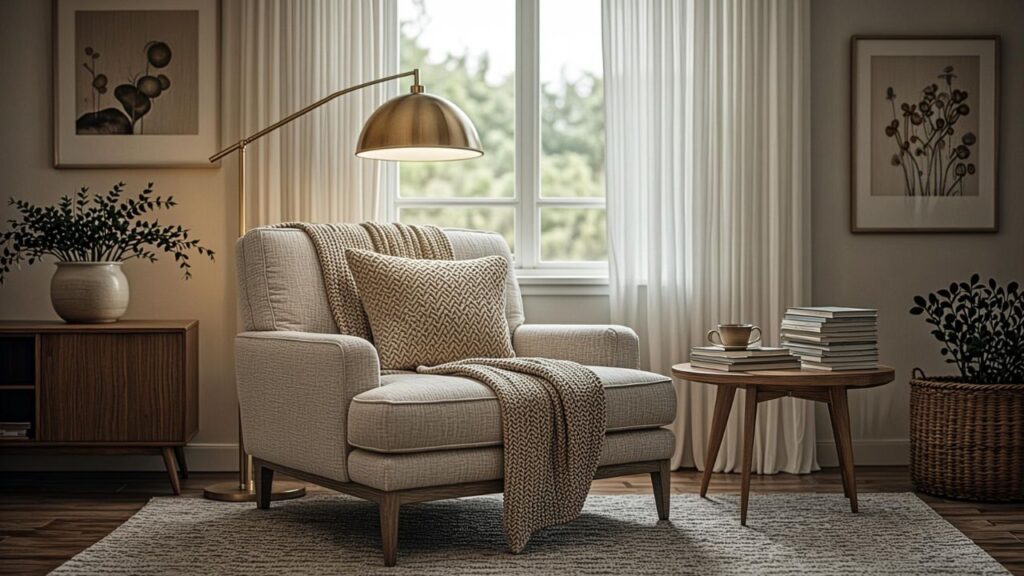
Modern life is filled with distractions. Phones buzz constantly, televisions compete for attention, and endless notifications make it difficult to focus. A dedicated reading area offers a valuable escape.
A comfortable reading corner encourages healthier habits, improves concentration, and creates opportunities for personal growth. It also adds character and warmth to your home while making underutilized spaces more functional.
For families, a reading nook can inspire children to develop a love for books. For adults, it becomes a sanctuary where relaxation and learning coexist.
Essential Elements of the Perfect Reading Nook
Comfortable Seating
The foundation of every successful reading area is comfortable seating.
Popular options include:
- Oversized armchairs
- Wingback chairs
- Recliners
- Chaise lounges
- Window benches
- Floor cushions
- Hanging chairs
The best seat should support long reading sessions without causing discomfort.
Proper Lighting
Lighting can make or break your reading experience.
Consider combining:
- Natural sunlight
- Floor lamps
- Adjustable reading lamps
- Wall sconces
- Pendant lights
Good lighting reduces eye strain while creating a warm and inviting atmosphere.
Accessible Book Storage
Books should be within easy reach.
Storage solutions include:
- Floating shelves
- Built-in bookcases
- Ladder shelves
- Side tables with storage
- Decorative baskets
A well-organized collection enhances both functionality and aesthetics.
Choosing the Best Location for a Reading Nook
Window Spaces
Natural light makes windows one of the most desirable locations.
Benefits include:
- Excellent daytime lighting
- Outdoor views
- Improved mood
- Enhanced comfort
Adding a window seat instantly creates a charming destination for reading.
Unused Corners
Many homes have awkward corners that serve little purpose.
Transforming these neglected spaces into a reading nook is an excellent way to maximize square footage without major renovations.
Bedroom Retreats
Bedrooms naturally lend themselves to quiet activities.
A dedicated reading corner can provide a peaceful transition between daily responsibilities and restful sleep.
Reading Nook Ideas for Small Spaces
Floating Shelves and Compact Seating
Small apartments require creative thinking.
Use:
- Wall-mounted shelves
- Compact accent chairs
- Slim side tables
- Vertical storage
These solutions preserve valuable floor space while maintaining comfort.
Under-Stair Reading Nook
The area beneath a staircase is often overlooked.
With custom shelving, comfortable cushions, and proper lighting, it can become one of the most charming spots in the home.
Closet Conversion
Unused closets offer surprising potential.
By removing doors and adding shelves, seating, and lighting, you can create a private reading sanctuary.
Designing a Reading Nook for Different Home Styles
Modern Reading Spaces
Modern interiors benefit from clean lines and simplicity.
Key elements include:
- Neutral colors
- Minimal decor
- Geometric furniture
- Contemporary lighting
Farmhouse-Inspired Reading Areas
Farmhouse design emphasizes comfort and warmth.
Popular features include:
- Natural wood
- Soft textiles
- Vintage decor
- Cozy blankets
- Rustic shelving
Bohemian Reading Corners
Boho-inspired spaces embrace creativity and personality.
Layer:
- Colorful textiles
- Plants
- Woven baskets
- Unique artwork
- Mixed textures
The result feels relaxed and welcoming.
Furniture That Enhances a Reading Nook
Accent Chairs
An accent chair often becomes the centerpiece of the entire design.
Look for:
- Deep seating
- Supportive cushions
- Durable fabrics
- Ergonomic design
Ottomans and Footrests
Foot support significantly improves comfort during extended reading sessions.
Ottomans also provide:
- Extra seating
- Hidden storage
- Visual balance
Side Tables
Every reader needs a convenient place for essentials.
Use side tables for:
- Books
- Drinks
- Reading glasses
- Decorative accents
Decorative Touches That Make a Difference
Layered Textiles
Soft textures create instant coziness.
Include:
- Throw blankets
- Decorative pillows
- Area rugs
- Knit accessories
Layering different materials adds warmth and visual interest.
Indoor Plants
Plants introduce life and freshness.
Excellent choices include:
- Snake plants
- Pothos
- Peace lilies
- ZZ plants
- Fiddle leaf figs
Personal Decor
Personal touches transform a generic space into a meaningful retreat.
Display:
- Favorite artwork
- Family photos
- Travel souvenirs
- Inspirational quotes
Creating a Family-Friendly Reading Nook
Children’s Reading Corners
Kids benefit enormously from having a dedicated reading space.
Include:
- Low bookshelves
- Bean bags
- Soft rugs
- Reading lights
- Accessible storage
Shared Family Spaces
A larger reading nook can accommodate multiple users.
Consider:
- Built-in benches
- Sectional seating
- Large bookcases
- Flexible lighting
This encourages shared reading experiences and family bonding.
Seasonal Styling Ideas
Spring
- Fresh flowers
- Light fabrics
- Soft pastel accents
Summer
- Natural fibers
- Coastal-inspired decor
- Bright colors
Fall
- Chunky knit blankets
- Warm earth tones
- Decorative pumpkins
Winter
- Faux fur throws
- Ambient lighting
- Rich textures
- Seasonal greenery
Updating decor seasonally keeps your space feeling fresh and inviting.
Common Mistakes to Avoid
Choosing Style Over Comfort
Beautiful furniture means little if it’s uncomfortable.
Prioritize comfort first.
Insufficient Lighting
Poor lighting leads to eye strain and reduces usability.
Always include dedicated reading illumination.
Overcrowding the Space
A reading nook should feel calming, not cluttered.
Choose only essential furniture and decor.
Ignoring Storage
Without proper storage, books quickly create visual clutter.
Plan for organization from the beginning.
Benefits of Having a Reading Nook
A dedicated reading area offers numerous advantages:
- Encourages regular reading
- Reduces stress
- Improves focus
- Creates a peaceful retreat
- Adds value to interior design
- Maximizes unused space
- Supports healthy screen-free habits
The investment is small compared to the daily enjoyment it provides.
FAQ
What is a reading nook?
A reading nook is a comfortable, dedicated space designed specifically for reading, relaxation, and quiet activities.
How much space do I need for a reading nook?
Even a small corner measuring a few square feet can become an effective reading area with thoughtful planning.
What chair is best for a reading nook?
Oversized armchairs, recliners, chaise lounges, and window benches are among the most popular choices.
Can I create a reading nook in a small apartment?
Yes. Compact furniture, floating shelves, and unused corners work perfectly in smaller homes.
What lighting is best for reading?
Adjustable reading lamps, floor lamps, and natural daylight provide excellent illumination.
Should a reading nook include storage?
Yes. Convenient storage keeps books organized and enhances functionality.
How do I make a reading nook cozy?
Use soft textiles, warm lighting, comfortable seating, and personal decor to create a welcoming atmosphere.
Are reading nooks still popular?
Absolutely. As people seek more comfortable and intentional living spaces, reading corners continue to grow in popularity.
Conclusion
A thoughtfully designed reading nook is far more than a decorative feature. It creates an intentional space where relaxation, learning, and comfort come together. Whether you’re working with a spacious room, a quiet bedroom corner, or a compact apartment, there is always an opportunity to carve out a special place dedicated to reading and reflection.
By combining comfortable seating, proper lighting, smart storage, and personal touches, you can create a retreat that encourages you to slow down and enjoy the simple pleasure of getting lost in a good book. The best reading spaces aren’t necessarily the largest or most expensive—they’re the ones that make you want to sit down, open a book, and stay awhile.