Article
A living room with fireplace and tv can be one of the coziest, most functional spaces in a home—but it can also be surprisingly tricky to design. Two focal points are competing for attention, seating needs to feel comfortable from every angle, and the room still has to work for everyday life.
The good news is that a fireplace and television can absolutely live together beautifully. The key is choosing the right layout, balancing comfort with safety, and making the design feel intentional instead of crowded.
Whether you have a small apartment living room, a large open-concept space, a traditional mantel, or a modern electric fireplace wall, this guide will help you plan a room that feels warm, practical, and polished.
Why Designing Around a Fireplace and TV Takes Thought
A fireplace naturally draws the eye. It adds architecture, warmth, texture, and a sense of gathering. A television also becomes a focal point because people face it for movies, sports, gaming, and everyday relaxing.
When both are in the same room, the challenge is not choosing which one matters more. The goal is creating a comfortable balance.
A good layout should answer a few practical questions:
- Where will people sit?
- Can everyone see the TV comfortably?
- Is the fireplace still visually important?
- Are the TV and electronics protected from heat?
- Does the room feel balanced when the TV is off?
- Is there enough walking space?
- Does the layout support conversation?
The best fireplace and TV living room layout is the one that fits your room shape, your viewing habits, and how your household actually uses the space.
Best Layout Ideas for a Living Room With Fireplace and TV
There is no single perfect arrangement. The right setup depends on the room’s size, wall placement, window location, ceiling height, and whether the fireplace is centered or off to one side.
Here are the most practical layouts to consider.
1. TV Above the Fireplace
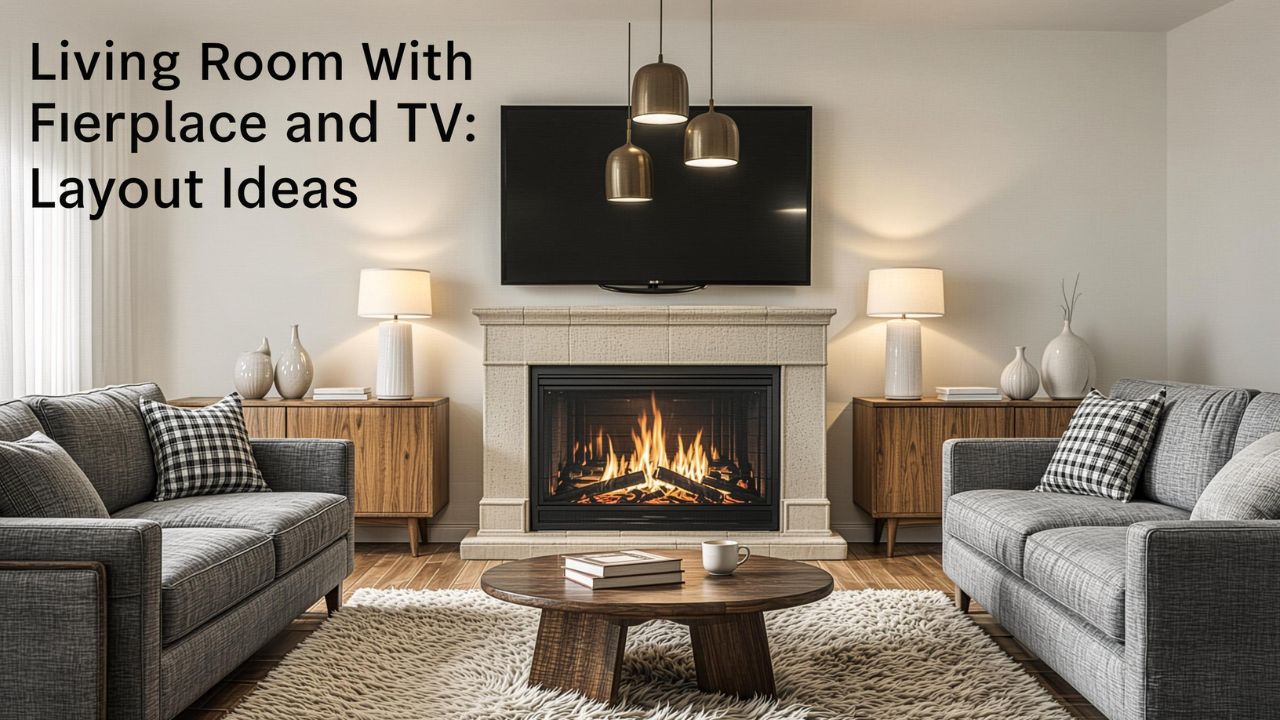
Putting the TV above fireplace is one of the most common choices, especially when the fireplace is centered on the main wall. It creates one clear focal point and works well when there is no obvious second wall for the television.
This layout can look clean and elegant when done carefully. It is especially popular in newer homes, open-concept living rooms, and spaces with a modern fireplace wall.
Best For
This layout works best for:
- Rooms with limited wall space
- Open floor plans
- Centered fireplaces
- Minimalist living rooms
- Homes where the TV is not watched for many hours at a time
Benefits
The biggest advantage is simplicity. Seating can face one direction, and the room feels organized around a single visual anchor.
It also frees up other walls for windows, art, bookshelves, or storage.
Drawbacks
The main issue is viewing height. If the TV is mounted too high, it can cause neck strain. Heat exposure may also be a concern, depending on the fireplace type, mantel depth, and manufacturer guidelines.
For comfort, the center of the TV should generally be as close to seated eye level as practical. In many rooms, that means keeping the mantel and TV placement lower, using a tilting mount, or choosing a smaller TV.
Practical Tips
Before mounting a TV over a fireplace:
- Check the fireplace and TV manufacturer instructions.
- Measure the temperature above the mantel when the fireplace is running.
- Use a mantel or heat deflector if recommended.
- Choose a tilting or pull-down mount for better viewing.
- Avoid placing the TV too close to the ceiling.
- Keep cables hidden with a safe, code-appropriate wiring plan.
A mantel with TV above can look beautiful, but it should never be installed only for appearance. Comfort and safety matter just as much.
2. TV Beside the Fireplace
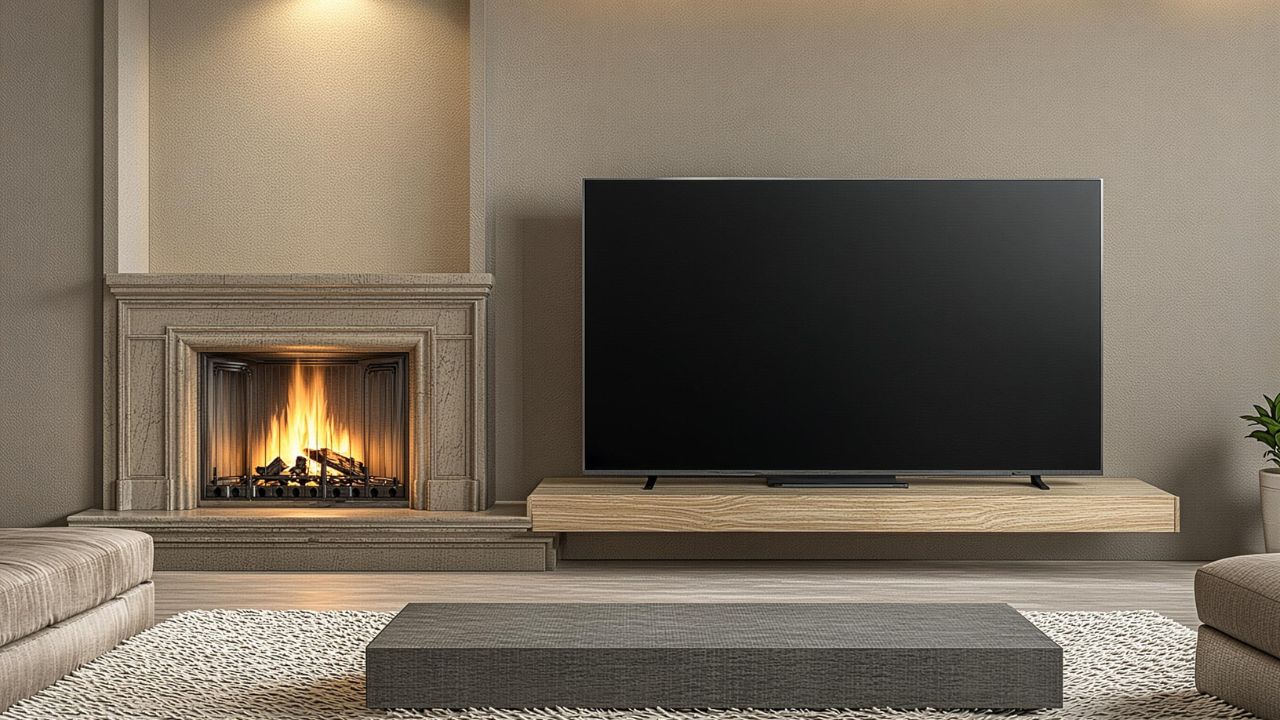
Placing the TV beside fireplace is often more comfortable than mounting it above. This layout allows the television to sit at a better viewing height while the fireplace remains a strong design feature.
It works especially well when the fireplace is not centered, when there are built-ins on both sides, or when one side wall naturally suits a media console.
Best For
This layout is ideal for:
- Long living rooms
- Off-center fireplaces
- Traditional homes
- Rooms with built-in shelves
- Families who watch TV often
Benefits
The TV can be positioned at a comfortable height, and the fireplace does not need to carry the entire visual weight of the room.
This setup also gives you more styling flexibility. You can balance the TV with artwork, shelving, lighting, or storage on the opposite side.
Drawbacks
The room may feel visually uneven if the TV is large and the fireplace is bold. Seating can also become awkward if the fireplace and TV are too far apart.
Practical Tips
To make this layout feel balanced:
- Use built-ins or shelving around both elements.
- Keep the TV console visually similar in scale to the fireplace.
- Add artwork, lamps, or tall decor on the opposite side.
- Angle chairs slightly so the room supports both TV viewing and conversation.
- Use a rug to visually connect the seating area.
A living room TV next to fireplace can feel relaxed and natural when the two focal points are treated as part of one design story.
3. TV on a Perpendicular Wall
In some rooms, the fireplace is on one wall and the TV sits on a side wall. This can be a smart solution when the fireplace wall is too high, too narrow, or too decorative for a television.
This layout creates two separate focal zones: one for warmth and ambiance, and one for entertainment.
Best For
This arrangement works well for:
- Square living rooms
- Rooms with corner fireplaces
- Traditional homes with detailed mantels
- Living rooms where conversation matters as much as TV viewing
Benefits
The TV can stay at a comfortable height, and the fireplace can be styled as an architectural feature. This is also a good choice if you prefer not to make the television the visual center of the room.
Drawbacks
Some seats may have a better TV view than others. The room can also feel split if furniture is not arranged carefully.
Practical Tips
Try an L-shaped seating arrangement. A sofa can face the TV, while chairs angle toward both the fireplace and the main seating area.
A swivel chair is especially useful in this layout because it can turn toward the television, fireplace, or conversation.
4. Fireplace and TV on Opposite Walls
This layout can work, but it requires care. If the fireplace is on one wall and the TV is directly opposite, the seating may feel pulled in two directions.
Still, in larger rooms, this setup can create a comfortable lounge area if the furniture floats in the center.
Best For
Consider this layout for:
- Large living rooms
- Long rectangular rooms
- Open-plan homes
- Spaces with enough room for floating furniture
Benefits
Each focal point gets its own wall. The TV can be placed at the correct height, and the fireplace can remain a decorative anchor.
Drawbacks
A sofa facing the TV may have its back to the fireplace, which can make the fireplace feel disconnected. If the seating faces the fireplace, TV viewing may be uncomfortable.
Practical Tips
Use furniture that can serve both directions:
- Swivel chairs
- A sectional with a chaise
- Two sofas facing each other
- Lightweight accent chairs
- A large area rug to unify the room
This layout works best when you think of the room as a flexible gathering space rather than a single-purpose TV room.
5. Corner Fireplace With TV
A corner fireplace living room with TV can be challenging because the fireplace sits at an angle. The room may not have one obvious center point.
The best approach is usually to avoid forcing everything to line up perfectly. Instead, create a comfortable seating area that acknowledges the fireplace while prioritizing natural movement and TV viewing.
Best For
This layout is common in:
- Suburban homes
- Open-concept family rooms
- Smaller living rooms
- Rooms with many windows or doorways
Benefits
A corner fireplace can make a room feel cozy and charming. It also leaves more wall space available for a television, storage, or artwork.
Drawbacks
Furniture placement can feel awkward if every seat tries to face the fireplace directly. The TV may also end up competing with the angled fireplace.
Practical Tips
Place the TV on the largest uninterrupted wall, then angle furniture slightly toward the fireplace. A sectional can work well if it frames the seating area without blocking walkways.
If the fireplace is visually heavy, keep the TV wall simple. If the TV wall is large, add texture or storage so the fireplace does not feel forgotten.
Choosing the Right TV Height
TV height is one of the most important comfort decisions in a living room with fireplace and tv. A beautiful layout will still feel frustrating if the screen is too high or too far away.
For most living rooms, the most comfortable TV position is near seated eye level. That is often easier when the TV is on a media console or mounted on a standard wall. When the TV is above a fireplace, it may sit higher than ideal.
How to Check Comfort
Sit where you normally watch TV. Look straight ahead with your shoulders relaxed. The screen should not require you to tilt your head sharply upward.
If the TV must be higher, consider:
- A tilting mount
- A pull-down mount
- Lower-profile furniture
- A lower mantel design
- A smaller screen
- Seating that is farther back from the fireplace wall
The farther away the seating is, the more tolerable a slightly higher TV may feel. In a small room, a high TV can become uncomfortable quickly.
Fireplace Heat and TV Safety
Safety should come before style. Fireplaces produce heat, and electronics can be sensitive to heat exposure. This matters whether you have a wood-burning fireplace, gas fireplace, electric fireplace, or fireplace insert.
Always check the manufacturer guidelines for both the fireplace and the television. Installation rules can vary by product, wall material, ventilation, mantel depth, and local building requirements.
Common Safety Considerations
Before installing a TV near a fireplace, think about:
- Heat rising from the fireplace
- Mantel depth and protection
- Ventilation needs
- Cable routing
- Wall material
- Mount weight limits
- Access to outlets
- Local electrical codes
A deep mantel can sometimes help deflect heat away from the TV, but it is not a universal solution. In many cases, a professional installer or electrician is worth the cost, especially when wires need to be hidden inside a wall.
Simple Heat Test
A basic way to understand heat exposure is to run the fireplace for a while and check how warm the wall area above it gets. This does not replace manufacturer guidance, but it can alert you to obvious issues.
If the wall becomes very warm, mounting a TV there may not be wise without professional advice.
Furniture Layout That Works in Real Life
A fireplace and TV are important, but the furniture determines how the room actually feels. The seating should support comfort, conversation, and movement.
Start With the Main Sofa
The sofa usually anchors the room. In most layouts, place it facing the TV or facing the combined fireplace-TV wall. Leave enough space behind or around it for walkways.
A good living room should not feel like an obstacle course. In many homes, leaving about 30 to 36 inches for main walkways feels comfortable, though smaller spaces may require compromise.
Use Chairs to Create Flexibility
Accent chairs are helpful because they can soften a TV-focused layout. Two chairs near the fireplace can create a conversation zone without blocking the screen.
Swivel chairs are especially useful in rooms with multiple focal points. They allow people to turn toward the TV, fireplace, or other guests.
Choose the Right Coffee Table
A coffee table should be easy to reach but not crowd the seating. In many living rooms, about 16 to 18 inches between the sofa and coffee table feels comfortable.
For smaller rooms, consider:
- Round coffee tables
- Nesting tables
- Storage ottomans
- Slim rectangular tables
- Upholstered ottomans with trays
A round table can be especially helpful when the room has angled furniture or a corner fireplace.
Layout Comparison Table
| Layout Option | Best For | Main Benefit | Possible Drawback |
|---|---|---|---|
| TV above fireplace | Small rooms and centered fireplaces | Creates one clean focal point | TV may sit too high |
| TV beside fireplace | Frequent TV watching | Better viewing height | Needs visual balance |
| TV on perpendicular wall | Conversation-friendly rooms | Keeps fireplace decorative | Some seats may have angled views |
| TV opposite fireplace | Large rooms | Gives each feature its own wall | Furniture can feel split |
| Corner fireplace with TV | Rooms with angled fireplaces | Uses wall space efficiently | Can be hard to center furniture |
Small Living Room With Fireplace and TV
A small living room with fireplace and TV needs careful planning because every inch matters. The goal is to avoid overcrowding while still making the room feel comfortable.
Best Small-Room Strategies
Choose fewer, better-scaled pieces. A bulky sectional, oversized recliners, and a large media console can make a small room feel cramped.
Instead, consider:
- A compact sofa
- One or two small accent chairs
- A wall-mounted TV
- Narrow built-in shelves
- A storage ottoman
- Light-colored curtains
- Furniture with exposed legs
- A simple fireplace mantel
Mounting the TV may free up floor space, but do not mount it too high just because the room is small.
Small-Room Example
Imagine a 12-by-14-foot living room with a fireplace centered on one wall. A compact sofa faces the fireplace, the TV is mounted above the mantel with a tilting bracket, and two small chairs sit on one side. A round coffee table keeps circulation easy.
This layout gives the room a clear focal point without stuffing furniture into every corner.
Large Living Room With Fireplace and TV
A large room gives you more options, but it can also feel cold or disconnected if the layout is too spread out.
The key is creating zones.
How to Make a Large Room Feel Cozy
Use a large area rug to define the seating area. Pull furniture away from the walls when possible. Instead of lining everything around the room’s edges, create a central gathering space.
In a large family room with fireplace and TV, you might use:
- A sectional facing the TV
- Two chairs near the fireplace
- A console behind the sofa
- A large coffee table or ottoman
- Built-ins around the fireplace
- Floor lamps to soften corners
Large rooms can handle bigger furniture, but scale still matters. A tiny TV above a massive fireplace can look awkward. A huge TV beside a delicate mantel can overpower the room.
Built-Ins Around Fireplace and TV
Built-ins around fireplace and TV can make the room feel custom, organized, and balanced. They are especially helpful when you need storage for books, games, media equipment, toys, blankets, or decor.
Built-ins can frame a fireplace, hide electronics, and visually connect the TV to the rest of the wall.
Built-In Design Ideas
Consider:
- Shelves on both sides of the fireplace
- Closed cabinets below open shelving
- A recessed TV niche
- Matching sconces
- Cabinet doors to hide clutter
- Painted built-ins that match the wall
- Wood shelves for warmth and texture
Built-ins are not always cheap, but they can add long-term function and a polished look.
Budget-Friendly Alternative
If custom cabinetry is not in the budget, use matching bookcases or modular storage units. Painting them the same color as the wall can create a more built-in appearance.
Just make sure freestanding units are properly anchored for safety, especially in homes with children or pets.
Modern Fireplace TV Wall Ideas
A modern fireplace TV wall often uses clean lines, simple materials, and a streamlined layout. This style is popular in contemporary homes and renovated living rooms.
Common materials include:
- Large-format tile
- Stone slabs
- Smooth plaster
- Vertical wood slats
- Painted drywall
- Concrete-look finishes
- Linear electric fireplaces
A modern fireplace wall can look especially strong when the TV and fireplace are aligned vertically. However, proportions are important. The TV should not look like an afterthought, and the fireplace should not feel too small for the wall.
Design Tip
Keep the surrounding decor simple. When the fireplace wall has dramatic tile, stone, or wood texture, too many accessories can make the space feel busy.
Traditional Living Room With Fireplace and TV
In a traditional room, the fireplace often has a mantel, trim, brick, stone, or millwork. The TV can feel visually modern by comparison, so the design challenge is making it blend in.
Ways to Soften the TV
Try these ideas:
- Use a frame-style TV when appropriate.
- Paint the wall behind the TV a darker color.
- Add symmetrical shelves or sconces.
- Keep mantel decor low and simple.
- Use warm wood tones nearby.
- Balance the TV with artwork or books.
A traditional fireplace mantel TV setup works best when the mantel is not overloaded. Tall candlesticks, large vases, or oversized artwork can compete with the screen.
Open Concept Living Room With Fireplace and TV
An open concept living room with fireplace and TV needs to connect with nearby spaces like the kitchen, dining area, or entryway. The living room should feel defined without blocking flow.
Layout Tips for Open Spaces
Use the back of a sofa to create a soft boundary between zones. A large rug can define the seating area. Keep walkways clear between the kitchen, dining area, and exterior doors.
In open plans, the fireplace wall is often visible from multiple angles. That means cable management, mantel styling, and furniture backs matter more than usual.
Best Furniture Choices
Open spaces often work well with:
- Sectionals
- Large sofas
- Swivel chairs
- Console tables behind sofas
- Oversized rugs
- Storage cabinets
- Low-profile media furniture
Avoid pushing all furniture against the walls. Floating the seating area usually creates a more intentional and comfortable room.
How to Balance Two Focal Points
A living room focal point does not have to be singular. Some of the best rooms have layered focal points: a fireplace, a TV, a view, artwork, or built-ins.
The secret is hierarchy.
Decide which feature should dominate when someone enters the room. In many homes, the fireplace provides the architectural anchor, while the TV supports everyday function.
Ways to Create Balance
Use repetition to connect the two elements:
- Repeat wood tones.
- Repeat black accents from the TV frame.
- Use matching shelves or cabinets.
- Carry stone, tile, or paint across the wall.
- Align the TV with the fireplace or nearby furniture.
- Use lighting to highlight the whole wall, not just the screen.
Balance does not always mean symmetry. It means the room feels visually stable.
Styling the Mantel Without Distracting From the TV
A fireplace mantel decor plan should complement the TV, not fight with it. When a television sits above the mantel, keep decor low and simple.
Good Mantel Decor Choices
Consider:
- A low garland
- Small ceramic objects
- Short candleholders
- A narrow tray
- Seasonal greenery
- A few framed photos placed to the side
- Simple sculptural pieces
Avoid tall decor that blocks the screen. Also avoid too many small items, which can look cluttered beneath a TV.
If the TV is beside the fireplace instead, the mantel can handle more height. Artwork, a mirror, or taller branches may work well as long as they fit the room’s style.
Cable Management and Media Storage
Even the most beautiful TV wall with fireplace can look unfinished if cords, boxes, and remotes are scattered everywhere.
Plan media storage early, especially if you are renovating or building a fireplace wall.
Cable Management Options
Depending on your setup, you may use:
- In-wall cable kits
- Cord covers
- Media cabinets
- Built-in storage
- Recessed outlets
- Cable raceways painted to match the wall
- Wireless streaming devices where practical
Electrical work should be handled safely. If outlets need to be moved or new wiring is required, hire a qualified electrician.
Storage Tips
Closed cabinets are great for hiding clutter. Open shelves are better for display, but they need regular editing to avoid looking messy.
A good mix of open and closed storage often works best.
Lighting for a Cozy Fireplace and TV Room
Lighting can make or break the atmosphere. A room with only overhead lighting may feel flat, especially at night.
Layered lighting makes the room more flexible.
Useful Lighting Layers
Include:
- Overhead lighting for general brightness
- Table lamps for reading
- Floor lamps near chairs
- Sconces beside built-ins
- Accent lighting for shelves
- Dimmers where possible
Avoid placing bright lights directly opposite the TV, as they may cause glare. Also consider window glare during the day. Curtains, shades, or adjustable blinds can make TV viewing much more comfortable.
Choosing Colors and Materials
The fireplace and TV wall often sets the tone for the whole room. Materials should feel connected to the rest of your home.
Warm and Cozy Palette
A cozy living room may include:
- Cream
- Beige
- Taupe
- Warm gray
- Soft brown
- Terracotta
- Olive green
- Natural wood
These colors work especially well with brick, stone, and traditional mantels.
Modern Neutral Palette
A modern room may use:
- White
- Charcoal
- Black
- Greige
- Light oak
- Concrete tones
- Matte finishes
A black TV blends more easily into a darker wall, while a lighter fireplace surround can keep the room from feeling heavy.
Texture Matters
When the TV is off, it can look like a large black rectangle. Texture helps soften that effect.
Use materials such as:
- Stone
- Brick
- Wood
- Woven baskets
- Linen curtains
- Wool rugs
- Leather chairs
- Ceramic decor
Texture makes the room feel layered and lived-in.
Budget Considerations
The cost of designing a living room with fireplace and tv can vary widely. A simple furniture rearrangement may cost nothing, while a custom fireplace wall with built-ins can become a major home project.
Lower-Budget Updates
Consider:
- Rearranging furniture
- Adding a larger rug
- Painting the fireplace wall
- Using cord covers
- Updating mantel decor
- Adding lamps
- Buying a better TV mount
- Using affordable bookcases as built-ins
Mid-Range Updates
You might invest in:
- A new media console
- Better accent chairs
- Custom curtains
- Fireplace tile updates
- Professional TV mounting
- Semi-custom storage
- New lighting fixtures
Higher-Budget Projects
Larger projects may include:
- Custom built-ins
- Fireplace replacement
- Stone or tile surround installation
- Electrical upgrades
- New gas or electric fireplace installation
- Full living room renovation
Before starting a major project, get estimates from qualified professionals and confirm safety requirements.
Common Mistakes to Avoid
A fireplace and TV room can go wrong when appearance is prioritized over comfort. Avoid these common mistakes.
Mounting the TV Too High
This is one of the most frequent issues. A TV that looks good in photos may feel uncomfortable during a full movie.
Ignoring Heat
Never assume a TV is safe above a fireplace without checking heat exposure and manufacturer guidance.
Choosing Oversized Furniture
Large furniture can block the fireplace, crowd walkways, or make the TV feel too close.
Forgetting Conversation
A living room is not only for watching TV. Arrange at least some seating to support face-to-face conversation.
Overdecorating the Mantel
Too many objects near the TV can feel distracting. Keep the area clean and intentional.
Leaving Cords Visible
Visible cords can make a finished room feel temporary. Plan cable management from the beginning.
Ignoring Glare
Windows, lamps, and shiny surfaces can create glare on the screen. Test the TV view at different times of day.
Step-by-Step Planning Guide
Use this simple process before buying furniture or mounting anything.
Step 1: Identify the Main Wall
Look at the fireplace, windows, doors, and traffic paths. Decide where the room naturally wants attention to go.
Step 2: Decide Where the TV Works Best
Consider viewing height, seating distance, glare, heat, and available outlets.
Step 3: Place the Largest Seating Piece
Start with the sofa or sectional. Make sure it has a comfortable view and does not block walkways.
Step 4: Add Flexible Seating
Use chairs, stools, or ottomans to support conversation and extra guests.
Step 5: Define the Area With a Rug
The rug should be large enough to connect the main furniture pieces visually.
Step 6: Plan Storage and Cables
Decide where media devices, remotes, books, toys, and blankets will go.
Step 7: Add Lighting
Use lamps and dimmers to create a comfortable mood for relaxing, reading, or watching TV.
Step 8: Style Last
Add pillows, art, plants, mantel decor, and accessories after the big pieces are in place.
Practical Design Checklist
Before finalizing your layout, check the following:
- The TV is comfortable to watch from the main seats.
- The fireplace can be enjoyed without moving furniture.
- Walkways are clear.
- The room supports conversation.
- Heat and installation guidelines have been checked.
- Cords are hidden or neatly managed.
- Seating is not too close to the screen.
- The rug fits the seating area.
- Lighting works during the day and evening.
- Mantel decor does not block or distract from the TV.
- Storage is available for everyday clutter.
Who This Setup Is Best For
A living room with both a fireplace and TV is best for households that want comfort, entertainment, and a cozy gathering space in one room.
It works especially well for:
- Families who use the living room daily
- People who host guests casually
- Homes with open-concept layouts
- Movie and sports watchers
- Anyone who wants a warm, welcoming room
- Homes where the fireplace is already a major architectural feature
Who May Want a Different Approach
This setup may not be ideal for everyone. If you rarely watch TV, you may prefer to keep the fireplace as the main focal point and place the television in another room.
If your fireplace produces significant heat, or if the only TV location would be very high, a separate media room may be more comfortable.
In formal living rooms, a hidden TV cabinet, projector, or frame-style TV may be a better fit than a large visible screen.
FAQ
Should the TV go above the fireplace?
It can, but only if the height is comfortable and heat exposure is safe for the television. Always check manufacturer guidelines and consider a tilting or pull-down mount if the screen sits higher than ideal.
How do you arrange furniture in a living room with a fireplace and TV?
Start with the main sofa facing the feature used most often, usually the TV or combined fireplace-TV wall. Then add chairs that can angle toward both the fireplace and conversation area.
Is it better to put the TV beside the fireplace?
In many rooms, yes. A TV beside the fireplace is often easier to watch because it can sit closer to eye level. The challenge is making the wall feel visually balanced.
How do you make a TV over a fireplace look good?
Keep the mantel simple, hide cords, choose a TV size that fits the wall, and avoid mounting the screen too close to the ceiling. A darker wall color or frame-style TV can also help the screen blend in.
What should I put on the mantel under a TV?
Use low-profile decor such as small ceramics, short candles, greenery, or a narrow tray. Avoid tall items that block the screen or make the area feel cluttered.
How do you design a small living room with a fireplace and TV?
Use compact furniture, wall-mounted storage, a smaller coffee table, and a simple layout. Avoid oversized sectionals or bulky consoles that crowd the room.
Can heat from a fireplace damage a TV?
Yes, heat can potentially affect electronics. Risk depends on the fireplace type, mantel design, ventilation, distance, and product guidelines. Check the latest installation instructions before mounting a TV near any fireplace.
What is the best seating for a room with two focal points?
Swivel chairs, sectionals, and flexible accent chairs work well because they allow people to face the TV, fireplace, or conversation area as needed.
Conclusion
Designing a living room with fireplace and tv is about more than finding a place for the screen. It is about creating a room that feels comfortable, safe, balanced, and easy to live in.
The best layout respects both focal points without letting either one overpower the space. Sometimes that means mounting the TV above the fireplace. Sometimes it means placing it beside the fireplace, on a perpendicular wall, or in a separate media zone.
Start with comfort, check safety requirements, choose furniture that fits the room, and keep the styling intentional. When the fireplace, TV, seating, lighting, and storage all work together, the result is a living room that feels warm, practical, and genuinely inviting.