Introduction
Walk into two different homes, and you can instantly feel the difference. One space might feel calm and airy, while another feels dramatic, cozy, or full of personality. That emotional reaction is exactly why understanding interior design styles explained in simple terms matters so much today.
Many people struggle to define their decorating taste. They save random inspiration photos, buy furniture impulsively, and later wonder why nothing feels connected. In reality, knowing the foundations of design styles can completely change the way you decorate, shop, and experience your home.
The global interior design market is expected to surpass hundreds of billions of dollars over the next few years as more homeowners prioritize comfort, aesthetics, and functionality. Yet despite endless Pinterest boards and Instagram reels, most people still confuse modern with contemporary or minimalist with Scandinavian.
This guide breaks down the most popular design aesthetics in a clear, human way. Whether you’re redesigning a small apartment, renovating a family home, or simply curious about decor trends, this article will help you understand how different styles work—and how to choose one that truly reflects your personality.

Table of Contents
Understanding Interior Design Styles
Why Interior Design Styles Matter
Modern Interior Design
Key Characteristics of Modern Design
Best Colors and Materials for Modern Spaces
Contemporary Interior Design
Minimalist Interior Design
Scandinavian Interior Design
Industrial Interior Design
Bohemian Interior Design
Farmhouse Interior Design
Mid-Century Modern Interior Design
Traditional Interior Design
Coastal Interior Design
Luxury and Glam Interior Design
How to Choose the Right Interior Style
Common Mistakes When Mixing Design Styles
Interior Design Trends Shaping Modern Homes
FAQ
Conclusion
Understanding Interior Design Styles
When people search for interior design styles explained, they’re usually looking for clarity. Interior design styles are essentially visual languages. Each style uses specific colors, materials, furniture shapes, textures, and layouts to create a recognizable mood or atmosphere.
For example:
- Minimalist interiors focus on simplicity and function
- Bohemian spaces embrace creativity and layered textures
- Industrial interiors celebrate raw materials like steel and concrete
- Scandinavian design balances warmth with practicality
Think of design styles like fashion categories. A leather jacket, sneakers, and ripped jeans create a completely different vibe than a tailored suit. Homes work the same way.
One important thing to remember is that most real homes blend styles together. Very few homes follow one design category perfectly. Instead, understanding these styles gives you a roadmap for making cohesive decisions.
Why Interior Design Styles Matter
A well-designed home affects more than appearance. Research from environmental psychology shows that our surroundings influence stress levels, productivity, mood, and even sleep quality.
Imagine working in a cluttered room with poor lighting and mismatched furniture. Now compare that to a calm, organized workspace with balanced colors and natural textures. The emotional impact is huge.
Learning about interior design styles explained can help you:
- Avoid expensive decorating mistakes
- Create visual harmony
- Increase property value
- Make smaller rooms feel larger
- Build a home that reflects your personality
In reality, good design is not about perfection. It’s about creating spaces that feel intentional and emotionally comforting.
Modern Interior Design
Modern design is one of the most misunderstood styles in home decor. Many people use “modern” and “contemporary” interchangeably, but they are different.
Modern interior design originated in the early 20th century and focuses on simplicity, clean lines, and functionality.
Key Characteristics of Modern Design
Modern interiors typically include:
- Neutral color palettes
- Clean architectural lines
- Open floor plans
- Minimal clutter
- Natural materials like wood and leather
- Functional furniture
Modern spaces often feel calm and uncluttered. Furniture tends to have low profiles and geometric shapes rather than ornate details.
Best Colors and Materials for Modern Spaces
Popular modern design colors include:
- White
- Beige
- Gray
- Black
- Earth tones
Common materials:
- Glass
- Steel
- Walnut wood
- Concrete
- Leather
A real-life example would be a living room with a cream sofa, walnut coffee table, black metal lighting, and large windows bringing in natural light.
Contemporary Interior Design
Contemporary design reflects what is current right now. Unlike modern design, which refers to a historical movement, contemporary interiors evolve over time.
Today’s contemporary homes often include:
- Curved furniture
- Sustainable materials
- Smart home technology
- Mixed textures
- Large statement lighting
One year, contemporary spaces may feature bold black kitchens. The next, warm earthy palettes become dominant. That flexibility is what defines this style.

When people search for interior design styles explained, contemporary design often creates confusion because it constantly changes with trends.
Minimalist Interior Design
Minimalism follows the idea that less is more. However, true minimalist interiors are not cold or empty. They’re carefully curated.
Key principles include:
- Clean surfaces
- Intentional furniture choices
- Neutral palettes
- Functional layouts
- Limited decor
Minimalist homes reduce visual noise, which can create a surprisingly calming environment. In busy urban environments, this design approach has become incredibly popular.
A minimalist bedroom might include:
- A platform bed
- Crisp white bedding
- One piece of artwork
- Hidden storage
- Soft natural lighting
However, poor minimalism can feel lifeless if warmth and texture are ignored.
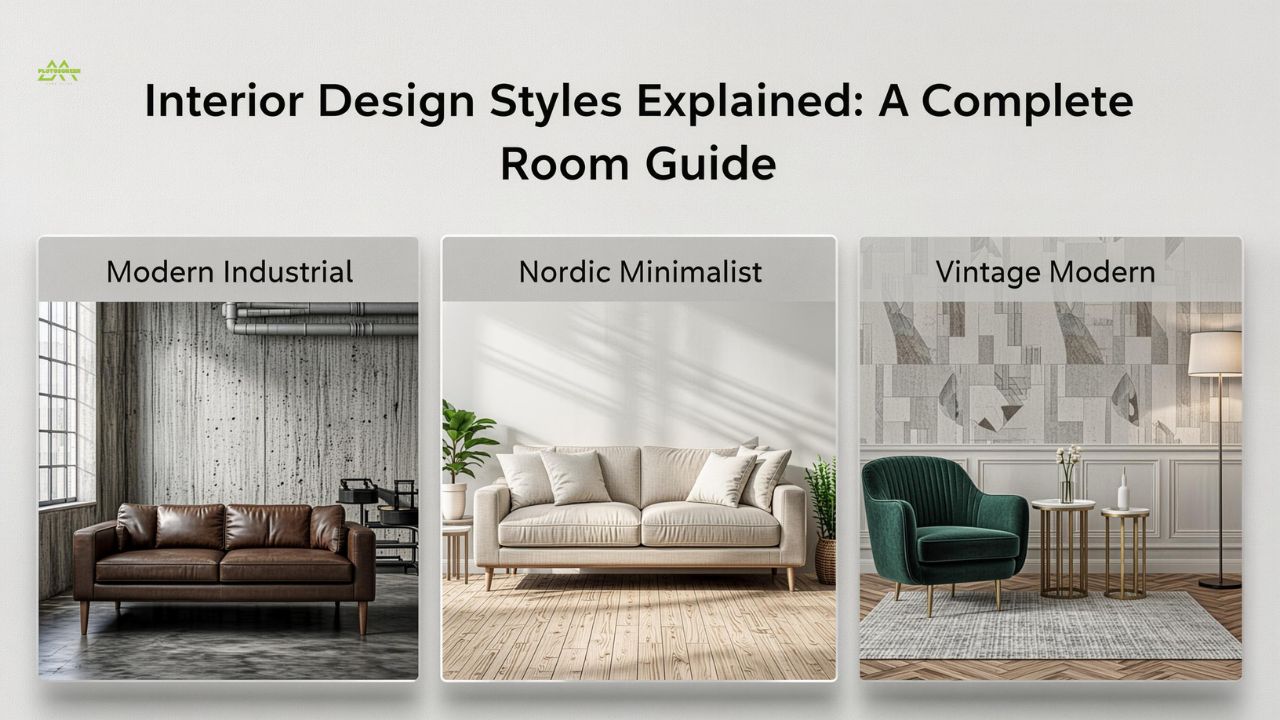
Scandinavian Interior Design
Scandinavian design originated in Nordic countries where winters are long and natural light is limited. As a result, these interiors focus heavily on brightness, comfort, and warmth.
This style combines:
- Minimalism
- Functionality
- Cozy textures
- Light wood finishes
- White walls
The Danish concept of “hygge” heavily influences Scandinavian interiors. Hygge emphasizes comfort, warmth, and emotional well-being.

Popular Scandinavian elements include:
- Sheepskin throws
- Oak furniture
- Linen fabrics
- Indoor plants
- Soft lighting
This style remains one of the most searched topics related to interior design styles explained because it balances simplicity with warmth so effectively.
Industrial Interior Design
Industrial design draws inspiration from converted warehouses and urban lofts.
Instead of hiding raw construction materials, industrial interiors showcase them proudly.
Typical features include:
- Exposed brick walls
- Metal beams
- Concrete floors
- Edison bulb lighting
- Reclaimed wood
Industrial spaces often use darker tones like charcoal, black, rust, and brown.
One striking example is a loft apartment with black steel-framed windows, leather seating, and exposed ductwork. The unfinished look becomes part of the charm.
That said, industrial interiors can sometimes feel too cold unless softened with textiles, rugs, and greenery.
Bohemian Interior Design
Bohemian—or “boho”—design is expressive, colorful, and deeply personal.

Unlike minimalist spaces, bohemian interiors celebrate layers, textures, patterns, and collected items from different cultures.
Common boho features:
- Vintage furniture
- Macramé wall hangings
- Layered rugs
- Mixed patterns
- Plants everywhere
- Handmade decor
Bohemian interiors often feel artistic and relaxed. There’s usually an emotional story behind the decor choices.
For example, someone may combine travel souvenirs, thrifted furniture, woven baskets, and colorful textiles to create a space that feels adventurous and lived-in.
Farmhouse Interior Design
Farmhouse interiors became massively popular thanks to home renovation television shows and social media.
This style emphasizes:
- Comfort
- Rustic charm
- Vintage-inspired details
- Practical living
Modern farmhouse design blends traditional farmhouse warmth with cleaner modern lines.
Typical farmhouse elements:
- Shiplap walls
- Apron-front sinks
- Reclaimed wood
- Neutral colors
- Barn doors
White kitchens with black hardware and natural wood accents are especially common in farmhouse-inspired homes.
However, overusing farmhouse trends can make a space feel overly themed or outdated.
Mid-Century Modern Interior Design
Mid-century modern design emerged between the 1940s and 1960s and remains hugely influential today.

Characteristics include:
- Tapered furniture legs
- Organic curves
- Functional furniture
- Bold accent colors
- Geometric patterns
Designers during this era believed beautiful furniture should also be practical and accessible.
Classic mid-century colors:
- Mustard yellow
- Olive green
- Teal
- Walnut brown
- Burnt orange
Famous furniture pieces from this era continue to sell for thousands of dollars in today’s luxury market.
Traditional Interior Design
Traditional interiors are timeless and elegant. This style draws inspiration from 18th- and 19th-century European decor.
Key features include:
- Symmetry
- Rich wood finishes
- Detailed molding
- Classic furniture
- Warm color palettes
Traditional homes often include:
- Chandeliers
- Crown molding
- Formal dining rooms
- Tufted furniture
- Layered window treatments
Unlike trendy aesthetics, traditional design prioritizes longevity and sophistication.
For homeowners who value familiarity and elegance, this style offers lasting appeal.
Coastal Interior Design
Coastal interiors are inspired by beachside living. The goal is to create a light, breezy atmosphere that feels peaceful and refreshing.

Common coastal elements:
- White and blue color palettes
- Natural fibers
- Driftwood textures
- Linen fabrics
- Open airy layouts
Modern coastal interiors avoid overly nautical themes. Instead of anchor decorations and seashell overload, they focus on subtle beach-inspired textures and colors.
A coastal living room may feature:
- White slipcovered sofas
- Light oak floors
- Soft blue accents
- Woven baskets
- Large windows
This relaxed aesthetic has become increasingly popular in vacation homes and suburban properties alike.
Luxury and Glam Interior Design
Luxury interiors focus on elegance, sophistication, and visual impact.
This style often incorporates:
- Velvet fabrics
- Marble surfaces
- Gold accents
- Statement lighting
- High-end finishes
Luxury design is less about price and more about intentional detail and craftsmanship.
Common glam features:
- Crystal chandeliers
- Mirrored furniture
- Plush textures
- Dramatic color contrasts
However, balance matters. Too many luxury elements can quickly feel overwhelming rather than refined.
How to Choose the Right Interior Style
One of the hardest parts of decorating is figuring out what actually feels like “you.”

When exploring interior design styles explained, start by asking yourself:
- Do you prefer calm or energetic spaces?
- Do you like clutter-free environments?
- Are you drawn to warm or cool tones?
- Do you love vintage or modern furniture?
- Is comfort or visual drama more important?
Here’s a practical approach:
Step 1: Save Inspiration
Create a Pinterest board or folder of rooms you genuinely love.
Step 2: Look for Patterns
Notice recurring elements:
- Similar colors
- Repeated materials
- Furniture shapes
- Lighting styles
Step 3: Identify Lifestyle Needs
A family with children may prioritize durability and storage, while a single professional might focus more on aesthetics and entertaining.
Step 4: Start Small
Instead of redesigning your entire house immediately:
- Change lighting
- Add textiles
- Replace hardware
- Introduce accent furniture
Small changes can dramatically shift the feel of a room.
Common Mistakes When Mixing Design Styles
Mixing styles can create beautiful, personalized spaces—but it can also become chaotic.

Common mistakes include:
- Using too many colors
- Ignoring scale and proportion
- Mixing clashing wood tones
- Buying trendy items impulsively
- Forgetting functionality
A good rule is the 80/20 approach:
- 80% primary style
- 20% secondary accents
For example:
- Scandinavian + boho
- Modern + industrial
- Traditional + contemporary
This keeps interiors visually balanced while still feeling unique.
Interior Design Trends Shaping Modern Homes
Design trends evolve constantly, but several themes are dominating today’s interiors.
Sustainable Design
Eco-friendly interiors are growing rapidly. Homeowners increasingly choose:
- Reclaimed wood
- Energy-efficient lighting
- Natural fibers
- Vintage furniture
Warm Minimalism
Pure white minimalism is fading. Warmer neutrals like beige, clay, and caramel now create softer spaces.
Multifunctional Rooms
Remote work transformed home design priorities. Rooms now often serve multiple purposes:
- Office + guest room
- Kitchen + workspace
- Living room + media center
Biophilic Design
Biophilic design connects interiors with nature through:
- Indoor plants
- Natural lighting
- Organic materials
- Earth-inspired colors
Studies suggest these elements can improve mood and reduce stress.
Curved Furniture
Rounded sofas, arches, and curved chairs are replacing sharp edges in many modern interiors.

FAQ
Frequently Asked Questions
What is the most popular interior design style right now?
Contemporary and Scandinavian-inspired interiors remain extremely popular because they combine functionality, comfort, and clean aesthetics.
How do I identify my decorating style?
Start by collecting inspiration images and identifying repeated patterns in colors, furniture, and textures you naturally gravitate toward.
Can I mix different interior design styles?
Yes. In fact, many professionally designed homes blend multiple aesthetics for a more personal and layered look.
What is the difference between modern and contemporary design?
Modern design refers to a historical movement with specific characteristics, while contemporary design reflects current trends and evolves over time.
Is minimalist design expensive?
Not necessarily. Minimalism focuses more on intentional living than luxury spending. However, quality over quantity is often emphasized.
Which interior design style makes small rooms look bigger?
Scandinavian and minimalist styles work especially well in smaller spaces because they use light colors, clean lines, and uncluttered layouts.
Why is Scandinavian design so popular?
People love Scandinavian interiors because they balance simplicity with warmth, creating homes that feel calm, cozy, and functional.
What colors work best in modern interiors?
Neutral tones like white, gray, beige, black, and earthy shades are commonly used in modern spaces.
Are farmhouse interiors still trendy?
Yes, although modern farmhouse styles now lean toward more subtle and sophisticated interpretations rather than overly rustic themes.
How often do interior design trends change?
Major trends usually evolve every few years, but timeless foundational styles like traditional, modern, and Scandinavian remain consistently relevant.
Conclusion
Understanding interior design styles explained in a practical, human way makes decorating far less overwhelming. Instead of chasing every social media trend, you begin recognizing what genuinely suits your lifestyle, personality, and emotional needs.
Some people thrive in clean minimalist spaces, while others feel happiest surrounded by layered textures and collected memories. Neither approach is wrong. Great interior design is ultimately about creating environments that support the way you live and feel every day.
The best homes rarely look copied from a catalog. They evolve gradually, reflecting experiences, preferences, and personal stories over time. Whether you love modern simplicity, cozy Scandinavian warmth, bold bohemian creativity, or timeless traditional elegance, the goal is the same: creating a space that feels authentically yours.