Introduction
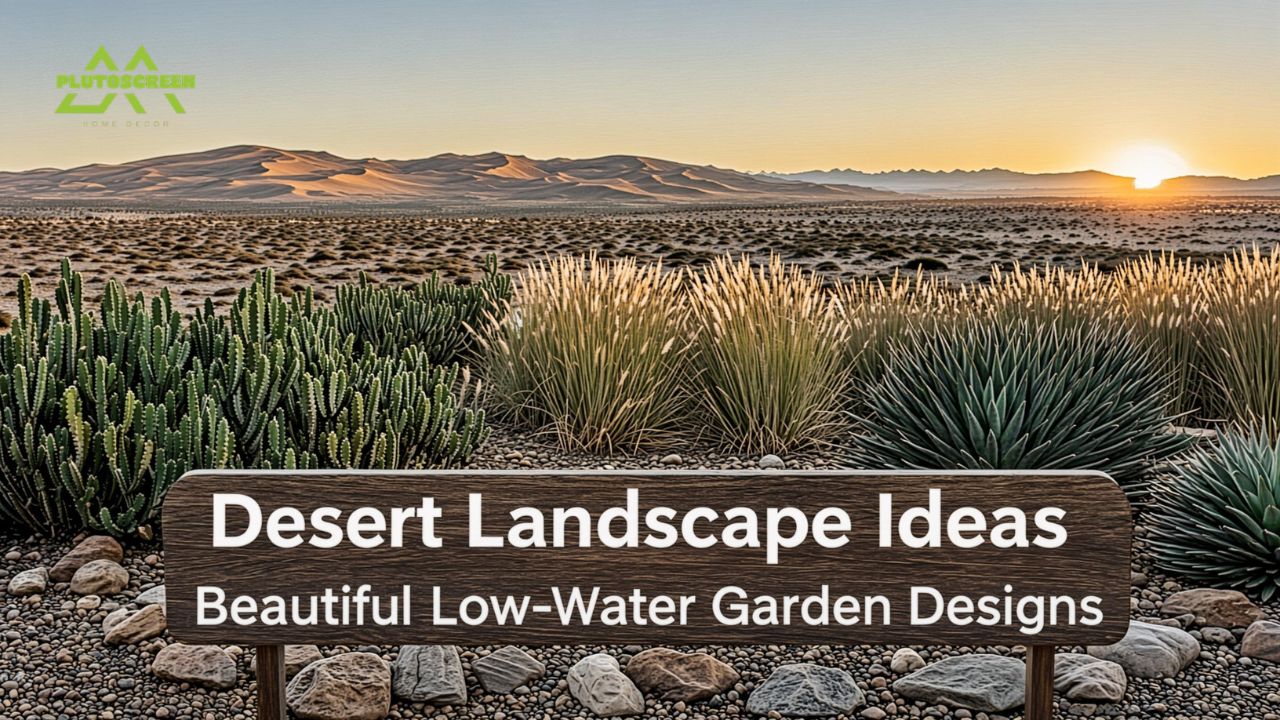
There’s something quietly beautiful about desert landscapes. The soft colors of sand and stone, the striking shapes of cacti, and the dramatic contrast between rugged textures and open sky create a sense of calm that many traditional gardens struggle to achieve. Exploring desert landscape ideas can transform an ordinary yard into a stunning outdoor retreat that feels both natural and artistic.
In recent years, homeowners have become increasingly interested in low-water landscaping. Rising temperatures and water conservation concerns have pushed people to rethink how gardens are designed. Desert landscaping offers a perfect solution by combining beauty, sustainability, and practicality.
Instead of relying on thirsty lawns or delicate plants, desert landscapes use hardy vegetation, rock textures, and thoughtful layouts to create environments that thrive even in dry climates. Whether you live in an arid region or simply want a low-maintenance garden, desert landscaping can provide a visually striking and environmentally friendly alternative.

Table of Contents
- What Defines Desert Landscape Design
- Benefits of Desert Landscaping
- Essential Plants for Desert Gardens
- Hardscape Elements in Desert Landscapes
- Layout Ideas for Desert Backyards
- Desert Landscape Ideas for Small Spaces
- Sustainable Water-Saving Techniques
- Cost Planning for Desert Landscaping
- Landscape Designers Known for Desert Gardens
- Future Trends in Desert Landscape Design
What Defines Desert Landscape Design
Desert landscaping is inspired by natural arid environments where water is limited but beauty still thrives. Instead of lush lawns, the design focuses on textures, shapes, and hardy plants.

Natural Materials
A defining feature of desert landscapes is the use of natural materials such as:
- Gravel
- Sand
- Decorative stones
- Boulders
These materials create visual contrast and reduce water consumption.
Drought-Tolerant Plants
Plants used in desert landscaping are specifically adapted to dry climates.
Common examples include:
- Cacti
- Succulents
- Agave
- Yucca
Open Space and Simplicity
Unlike traditional gardens filled with dense vegetation, desert landscapes emphasize open space and minimalism.
These characteristics are why many homeowners explore desert landscape ideas when designing sustainable outdoor spaces.
Benefits of Desert Landscaping

Desert gardens offer several practical and environmental advantages.
Water Conservation
One of the biggest benefits is reduced water usage. Traditional lawns require frequent irrigation, while desert plants survive with minimal watering.
Low Maintenance
Once established, desert landscapes require less maintenance than traditional gardens.
Tasks are typically limited to:
- Occasional pruning
- Removing debris
- Seasonal plant care
Unique Visual Appeal
Desert gardens have a distinctive aesthetic. The sculptural shapes of plants and the textures of stone create dramatic visual effects.
Long-Term Sustainability
Using native or drought-tolerant plants helps create environmentally responsible landscapes.
These advantages explain why desert landscape ideas are increasingly popular in modern landscaping.
Essential Plants for Desert Gardens

Plants form the backbone of any landscape design.
Cactus Varieties
Cacti are iconic desert plants known for their sculptural appearance.
Popular varieties include:
- Saguaro cactus
- Barrel cactus
- Prickly pear cactus
Succulents
Succulents store water in their leaves, allowing them to survive dry conditions.

Examples include:
- Aloe vera
- Echeveria
- Sedum
Agave and Yucca
These plants add dramatic shapes and height to landscapes.
Desert Flowering Plants
Some desert plants produce beautiful seasonal flowers, adding color to the garden.
Hardscape Elements in Desert Landscapes
Hardscape features play a major role in desert gardens.
Decorative Gravel
Gravel replaces grass and helps reduce water usage.
Stone Pathways
Stone walkways guide visitors through the garden and create visual structure.
Boulder Features
Large stones add natural character and focal points.
Raised Planters
Raised beds help organize plants and improve soil drainage.
These elements combine with vegetation to create visually striking desert landscape ideas.
Layout Ideas for Desert Backyards
Designing the layout of a desert garden requires careful planning.
Zoning the Landscape
Divide the yard into functional areas such as:
- Relaxation spaces
- Garden beds
- Walking paths
Focal Points
Desert landscapes often include strong visual focal points such as large cacti or stone sculptures.
Layering Plants
Combining plants of different heights adds visual depth.
These techniques help create balanced and attractive desert landscapes.
Desert Landscape Ideas for Small Spaces
Even compact yards can benefit from desert landscaping.

Vertical Planting
Tall plants like yucca create visual height without occupying much ground space.
Container Gardens
Succulents thrive in containers, making them ideal for patios or balconies.
Minimalist Rock Gardens
Small gravel gardens with a few carefully chosen plants create elegant spaces.
These compact desert landscape ideas prove that beautiful landscaping doesn’t require a large yard.
Sustainable Water-Saving Techniques
Water conservation is central to desert landscaping.
Drip Irrigation Systems
Drip irrigation delivers water directly to plant roots, reducing waste.
Mulching
Gravel or organic mulch helps retain soil moisture.
Native Plant Selection
Native plants adapt naturally to local climates and require less irrigation.
These strategies make desert gardens environmentally sustainable.
Cost Planning for Desert Landscaping
Landscaping costs vary depending on design complexity.
| Landscaping Element | Estimated Cost |
|---|---|
| Gravel Installation | $1,000 – $3,000 |
| Stone Pathways | $800 – $2,500 |
| Plant Installation | $500 – $2,000 |
| Drip Irrigation System | $300 – $1,200 |
| Complete Desert Landscape Design | $3,000 – $15,000 |
Because desert landscapes require fewer plants and less water infrastructure, they can be more affordable long-term.
Landscape Designers Known for Desert Gardens
Desert landscaping has inspired many renowned landscape architects. Designers specializing in arid climates focus on blending architecture with natural desert environments.
Landscape architects working in regions like Arizona, Nevada, and California have developed innovative approaches to desert garden design. Through private design firms, books, and landscape projects, many professionals have built successful careers transforming barren land into visually stunning outdoor environments.
Some leading landscape architects earn significant incomes through large residential projects, luxury resort landscaping, and consulting services. Their work demonstrates how thoughtful planning can turn simple desert landscapes into breathtaking outdoor spaces.
Future Trends in Desert Landscape Design
Landscaping trends continue evolving as sustainability becomes more important.
Emerging trends include:
- Smart irrigation systems
- Native plant gardens
- Sustainable stone materials
- Outdoor living spaces integrated with desert gardens
- Solar-powered garden lighting

These developments ensure that desert landscape ideas remain relevant in modern garden design.
FAQ
What is desert landscaping?
Desert landscaping uses drought-tolerant plants, rocks, and minimal irrigation to create sustainable gardens.
Are desert landscapes expensive to build?
Initial installation costs vary, but desert gardens often save money long-term due to reduced water usage.
What plants grow best in desert gardens?
Cactus, agave, yucca, and many succulents thrive in desert landscapes.
Do desert landscapes require maintenance?
They require less maintenance than traditional lawns but still need occasional care.
Can desert landscaping work in non-desert climates?
Yes. Many drought-tolerant plants can grow in various climates.
Is desert landscaping environmentally friendly?
Yes. It conserves water and often uses native plants that support local ecosystems.
What materials are used in desert landscaping?
Common materials include gravel, stones, sand, and decorative rocks.
How do I start designing a desert garden?
Start by selecting drought-tolerant plants, planning pathways, and incorporating stone features.
Conclusion
Creating a desert landscape is about more than simply replacing grass with rocks. It’s about designing a space that celebrates natural textures, sculptural plants, and the beauty of simplicity. By combining thoughtful layouts, drought-tolerant vegetation, and natural materials, homeowners can create outdoor spaces that feel both peaceful and visually striking.
The appeal of desert landscape ideas lies in their balance between beauty and sustainability. They reduce water usage, require less maintenance, and provide a distinctive style that stands out from traditional gardens.
As environmental awareness grows and homeowners seek more sustainable solutions, desert landscaping continues to gain popularity. With the right planning and creativity, a desert garden can become a stunning retreat that connects your home with the natural world.